Can You Dye Waterproof Fabric?
5th March, 2026
It is a common question for anyone updating garden cushions, outdoor seating or practical storage projects: can you dye waterproof fabric instead of buying new? The idea makes sense. You may want a new colour for a seasonal refresh or to customise a small-batch product line.
The answer, however, depends entirely on the fibre and the coating. Not all waterproof materials accept dye, and some will lose their performance if you try. Before you dye waterproof material, it helps to understand what makes it waterproof in the first place.
What Makes Fabric Waterproof
Waterproof fabric is designed to stop water from passing through it. Water-resistant fabric, by contrast, only slows water down. That difference matters when you are considering dyeing.
Most outdoor waterproof fabric achieves its performance through one or more of these methods:
- Laminated membranes bonded to the fabric
- Polyurethane (PU) coatings applied to the back
- PVC backings that create a sealed barrier
- Wax or oil treatments on natural fibres
- Tightly woven synthetic fibres such as polyester or nylon
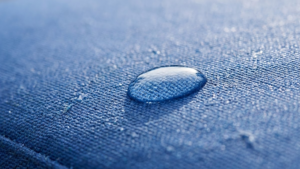
Each of these methods creates a barrier. Dye needs direct access to fibres to bond properly. A waterproof coating, by design, blocks liquid from penetrating. That same barrier can also block colour.
Types of Waterproof Materials You Can and Cannot Dye
Not all waterproof materials behave the same way. Fibre content plays a major role.
Natural Fibre Waterproof Fabrics
Natural fibres such as cotton can absorb dye well. Waterproof canvas fabric, for example, may be cotton-based with a wax or surface treatment applied.
If the waterproofing is a removable wax treatment, the fabric might be dyeable after stripping the coating. However, removing that coating will usually reduce or eliminate its waterproof properties.
If the canvas has a bonded backing or heavy sealant, dye penetration becomes far more difficult.
Synthetic Waterproof Fabrics
Polyester waterproof fabric and nylon-based materials are common for outdoor cushions, covers and bags. These fibres already require specialist dyes and high heat to bond colour.
Once coated with PU or backed with PVC, they become extremely resistant to dye. In most cases, dye will sit on the surface or wash out unevenly.
If you are exploring colour options for projects, it is often safer to choose ready-made colours from a trusted range of waterproof fabric designed for outdoor use.
How Waterproof Coatings Affect Colour Absorption
Dye works by bonding to fibres at a molecular level. For that to happen:
- The dye must reach the fibre surface
- The fibre must be receptive to that type of dye
- Heat or fixatives may be required
Waterproof coatings interrupt this process. They form a sealed layer that:
- Blocks liquid penetration
- Prevents dye from reaching the fibre
- Can soften, crack or peel under high heat
Heat-based dyeing, especially when learning how to dye synthetic fabric, may damage PU or PVC layers. Even if colour appears to take, the coating may weaken.
When Dyeing Might Damage Performance
Dyeing waterproof material carries practical risks. These include:
- Reduced waterproof rating
- Peeling or cracking of coatings
- Uneven or patchy colour
- Heat distortion in synthetic fibres
This does not mean dyeing is impossible. It means the original performance may not return to its factory standard. For outdoor waterproof fabric used in rain-prone settings, that is an important consideration.
Ways to Prepare Waterproof Fabric for Dyeing
If you decide to proceed, preparation is critical.
- Identify the fibre content. Check labels or supplier details before starting.
- Test a small, hidden swatch first. Never dye the full piece without a trial.
- Remove surface treatments if possible. Wax can sometimes be stripped, though this may permanently affect waterproofing.
- Clean the fabric thoroughly. Dirt, oils and residues block dye absorption.
- Accept that removing coatings may compromise the ability to reproof waterproof fabric to its original level.
Preparation improves your chances of success, but it cannot guarantee full performance recovery.
Best Dye Options for Waterproof Fabric
The right dye depends on the fibre, not just the finish.
Fabric Dyes for Natural Fibres
Cotton-based waterproof canvas fabric may respond to fibre-reactive or all-purpose dyes once coatings are removed. These dyes bond well to cellulose fibres when used correctly.
Results vary depending on how much waterproof treatment remains.
Disperse Dyes for Polyester
Polyester waterproof fabric requires disperse dyes and sustained high heat. This process is demanding and may damage synthetic coatings. Domestic dyeing methods often struggle to achieve deep, even colour.
Spray Fabric Paints as an Alternative
Spray fabric paints sit on the surface rather than bonding fully with fibres. They can be useful for smaller projects, panels or decorative updates. However, they may stiffen the fabric slightly, which can affect breathability.
Step-by-Step Guide to Dyeing Waterproof Fabric
If you choose to go ahead, follow a controlled process:
- Check fibre content and coating type.
- Test a small swatch.
- Prepare your dye bath or spray area according to instructions.
- Apply dye evenly, ensuring consistent coverage.
- Rinse carefully until the water runs clear.
- Dry according to fibre requirements, avoiding excessive heat where coatings are present.
- If needed, apply a suitable treatment to reproof waterproof fabric, understanding it may not match original specifications.
Keep expectations realistic, especially for heavily coated materials.
How to Set Colour After Dyeing
Colour setting depends on fibre type.
For natural fibres, fixatives or salt solutions may help lock in dye. For synthetics, heat setting is often required, though excessive heat risks damaging coatings.
Air drying is usually the safest option for coated fabrics. Once dry, you can apply a reproofing spray if appropriate. Even then, waterproof performance may not fully return to its original rating.
Common Problems and How to Fix Them
- Patchy colour – Often caused by residual coatings. Ensure thorough cleaning and testing.
- Dye not taking – Likely due to synthetic coatings blocking absorption. Surface paints may be the only option.
- Fabric stiffening – Common with spray paints or heat exposure. Use lighter applications.
- Loss of waterproofing – Reapply a reproofing treatment, though full performance restoration is not guaranteed.
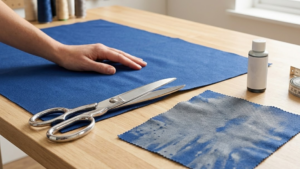
Testing before committing to a full project reduces disappointment.
Alternatives to Dyeing Waterproof Fabric
In many cases, the safest and most reliable solution is to start with the correct colour.
Buying pre-coloured waterproof fabric ensures a consistent tone and maintained performance. This avoids the risk of uneven dyeing or weakened coatings.
Other options include:
- Using waterproof fabric paint for panels or detailing
- Adding decorative trims or contrast sections
- Replacing only visible outer panels rather than the entire piece
For any home crafters and independent makers, choosing the right shade from the outset protects both your time and your budget.
Frequently Asked Questions
Can you dye polyester waterproof fabric?
It is possible in theory, but once coated, polyester waterproof fabric is extremely difficult to dye evenly.
Will dyeing ruin waterproofing?
It can reduce or damage waterproof performance, especially if coatings are removed or exposed to high heat.
Can you re-waterproof fabric after dyeing?
You can apply treatments to reproof waterproof fabric, but performance may not return to original factory levels.
Is waterproof canvas dyeable?
If it is cotton-based and the coating can be removed, it may accept dye. Results depend on remaining treatments.
What is the safest option if I want a different colour?
Choosing the right colour before you buy is usually the most reliable approach.
If you are unsure which material suits your project, you can always contact us at UK Fabrics Online for guidance before purchasing. We are happy to help you choose the right solution with confidence.
Leave a Reply