How Long Does Waterproof Fabric Stay Waterproof?
12th March, 2026
How long does waterproof fabric actually stay waterproof? It is a fair question, especially if you are sewing garden cushions, updating outdoor seating or making practical bags that need to handle British weather.
The honest answer is that lifespan varies. Waterproof performance depends on the base fabric, the coating, how often it is used and how well it is cared for. Some materials last for years with minimal maintenance, while others need regular attention to keep performing at their best.
Understanding what affects durability will help you choose wisely and care for your fabric properly from the start.
What Determines How Long Waterproof Fabric Lasts
Several factors influence waterproof fabric durability. No single feature guarantees long-term performance.
Key factors include:
- Base fibre – Polyester and nylon are common in outdoor waterproof fabric, while cotton canvas may be treated with wax or coatings.
- Type of coating – PU coatings, PVC backings and laminated membranes all perform differently over time.
- Frequency of use – Daily exposure wears fabric faster than occasional seasonal use.
- Rain exposure – Constant heavy rain places more strain on coatings.
- UV exposure – Sunlight gradually breaks down fibres and waterproof layers.
- Storage conditions – Damp storage encourages mould and coating breakdown.
Higher-quality materials are generally more resilient. If you are comparing options, exploring a dedicated range of waterproof fabric can help you see the differences in fibre types and finishes available.
How Waterproof Ratings Relate to Lifespan
You may have seen references to waterproof fabric ratings measured in millimetres. This is known as the hydrostatic head rating.
In simple terms, the rating measures how much water pressure a fabric can withstand before it leaks. For example:
- 1,000 mm – Suitable for light rain and short exposure.
- 10,000 mm – Suitable for sustained or heavy rainfall.
A higher number means stronger resistance to water pressure. However, it does not automatically mean a longer waterproof fabric lifespan.
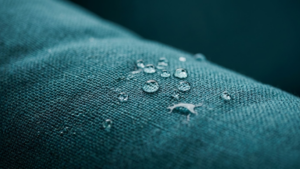
Waterproof ratings reflect performance at the time of manufacture. Over time, UV exposure, dirt and general wear can reduce that rating. A 10,000 mm fabric left in direct sun year-round may degrade faster than a 3,000 mm fabric stored carefully between uses.
Think of ratings as a starting performance indicator, not a lifetime guarantee.
Signs That Waterproof Protection Is Wearing Off
Waterproof coatings rarely fail overnight. There are usually visible signs.
Watch for:
- Water no longer beading on the surface and instead soaking in
- Fabric feels heavier after rainfall
- A dull, dry or slightly cracked surface appearance
- Seams allowing moisture through
- Backing that begins peeling or flaking
These are signs that the protective layer is weakening. Acting early often allows you to reproof waterproof fabric before permanent damage occurs.
How Use and Care Affect Durability
How you use and maintain waterproof fabric plays a major role in how long it lasts.
UV Damage
Sunlight is one of the biggest causes of coating breakdown. Prolonged exposure weakens synthetic fibres and dries out protective layers. Fading is often the first visible sign.
Dirt and Oils
Dirt, pollen and body oils gradually degrade coatings. When left uncleaned, they reduce waterproof effectiveness and breathability.
Folding and Friction
Repeated folding in the same place can stress coatings. Friction from constant movement, such as on chair seats, accelerates wear.
Washing Methods
Incorrect washing can strip protective layers. Common care mistakes include:
- Using harsh detergents
- Washing at high temperatures
- Spin drying at excessive speeds
- Storing while still damp
Gentle cleaning with mild soap and air drying is usually the safest approach for waterproof fabric care.
Can Waterproof Fabric Be Restored?
In many cases, yes. Waterproof performance can often be improved with the right treatment.
Restoration methods include:
- Reproofing sprays – Applied to the surface after cleaning.
- Wash-in waterproofing treatments – Suitable for some garments and lighter fabrics.
Restoration works best when the coating is simply worn down rather than physically cracked or peeling.
If the backing is flaking or separating, treatments may not fully restore waterproof fabric durability. At that stage, replacement may be the more reliable option.
How Often Reproofing Is Needed
There is no universal schedule, but general guidance can help.
- Light seasonal use – Reproof once per year.
- Heavy outdoor exposure – Every six-to-12 months.
- Commercial or high-use settings – Possibly more frequently, depending on wear.
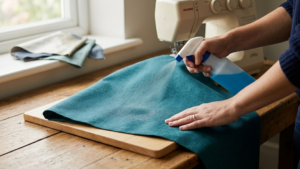
Regular inspection is more important than rigid timelines. If water stops beading, it is usually time to act.
Ways to Make Waterproof Fabric Last Longer
A few simple habits can extend performance significantly.
- Clean gently and regularly to remove dirt build-up.
- Allow fabric to dry fully before folding or storing.
- Store indoors during winter or long periods of non-use.
- Avoid harsh detergents and fabric softeners.
- Reproof before heavy rain seasons rather than after problems appear.
These steps are straightforward but highly effective. For Home Crafters and aesthetic DIY projects alike, good care protects both your time and your investment.
When It Is Time to Replace Waterproof Items
Even well-maintained waterproof fabric will not last forever.
It may be time to replace when you notice:
- Persistent leaks after reproofing
- Cracked or peeling backing
- Structural fibre breakdown or thinning
- Severe fading combined with weakened texture
Replacement is not a failure. It simply reflects normal wear over time. Choosing durable materials from the outset reduces how often this becomes necessary.
Frequently Asked Questions
How many years does waterproof fabric last?
It varies widely. With proper care, many outdoor fabrics can perform well for several years, though lifespan depends on exposure and quality.
Does sun damage waterproof fabric?
Yes. UV exposure gradually weakens fibres and coatings, reducing waterproof performance.
Can you machine-wash waterproof fabric?
Some types can be machine-washed on gentle cycles, but always avoid harsh detergents and high heat.
Is waterproof fabric permanent?
No. Waterproof protection reduces over time, especially with heavy use or poor maintenance.
What is the best way to maintain waterproof material?
Clean gently, dry thoroughly, store indoors when possible and reproof before performance noticeably declines.
If you are unsure which fabric offers the durability your project needs, you are always welcome to contact us for guidance. We are here at UK Fabrics Online to help you choose materials with confidence and clarity.
Leave a Reply