How to Repair Waterproof Fabric Without Ruining the Coating
31st January, 2026
Repairing waterproof fabric can feel risky, but it is possible to fix damage without stripping away the coating that keeps water out.
For repeat buyers and trade users, that confidence matters because wasted fabric and failed repairs cost time and money.
This guide explains how waterproof coatings behave, what causes them to fail, and how to repair damage while keeping performance intact in a practical, repeatable way.
How Waterproof Fabric Coatings Work
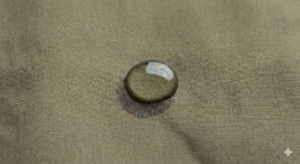
Waterproof fabrics rely on surface treatments or bonded layers rather than fabric thickness to block moisture. A coating sits on the surface, while a membrane sits within the structure, and this difference affects how repairs should be handled. Common coating types include PU, PVC, and DWR, each of which reacts differently to heat, pressure, and adhesives.
PU and PVC form solid barriers but can soften or lift when exposed to unsuitable glue or excessive heat. DWR treatments work by making water bead on the surface and tend to wear gradually rather than fail in one place. Understanding these behaviours is essential, as repairs should support the coating rather than undermine it. This is particularly important when working with waterproof fabric, where the wrong approach can shorten the material’s lifespan.
Common Causes Of Damage To Waterproof Fabrics
Most damage comes from everyday use rather than dramatic accidents. Abrasion from repeated contact, folding stress along the same lines, and prolonged UV exposure all weaken coatings over time. Washing too frequently or using harsh detergents can also break down protective layers, especially on PU and DWR finishes.
Typical use-related wear includes:
- Rubbing against frames, floors, or equipment edges, which gradually thins coatings
- Creases forming repeatedly during storage, eventually cracking the surface
- Sun exposure drying out coatings and reducing flexibility
- Regular washing accelerating treatment breakdown
Recognising these patterns helps reduce repeat damage, which is especially important for bulk users.
What To Check Before Repairing Waterproof Material
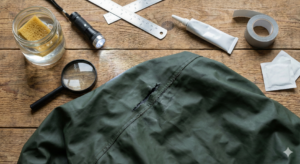
Before starting any repair, inspect the fabric closely. The surface should be clean, dry, and free from oils or detergent residue, as even light contamination can prevent proper bonding. Check for peeling, bubbling, or cracking in the coating, as unstable layers will not hold patches or sealants.
Testing adhesion on a small, hidden area is a sensible step and often prevents wasted time and materials later.
How To Repair Small Tears In Waterproof Fabric
Small tears can be repaired successfully when the right materials are used. Repair tapes, adhesive patches, and specialist glues are all suitable, provided they are compatible with the coating type.
Follow these steps for best results:
- Clean the area gently and allow it to dry completely.
- Trim any loose threads around the tear without enlarging the hole.
- Cut a patch with rounded corners that extends beyond the damage.
- Apply the patch without stretching the fabric, pressing firmly from the centre outward.
- Allow the repair to cure fully before moving, folding, or testing the fabric.
This method supports the coating and improves long-term durability.
Patching Holes Without Affecting The Coating
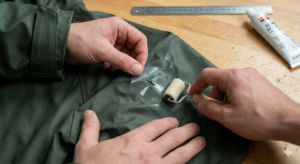
Where possible, apply patches from the underside of the fabric. This protects the outer coating from added layers and reduces exposure to abrasion. Using compatible adhesives is essential, as some PU coatings work best with silicone-based products while others require specific repair glues.
Applying too much adhesive can cause stiffness or seepage. Allow patches to dry fully before testing, even if they feel secure earlier, as incomplete curing often leads to early failure.
Sealing Seams And Weak Areas Correctly
Seams are natural weak points because stitching punctures the waterproof layer. Seam tapes and liquid sealants both work well, depending on fabric type and use case. Iron-on options offer speed, while self-adhesive products reduce heat risk and suit more sensitive coatings.
In some cases, sewing with coated thread is necessary. When this is done, resealing afterwards is essential to restore waterproofing and prevent leaks under pressure.
Products That Help Repair Waterproof Fabric
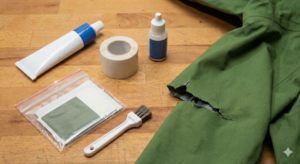
A range of products supports effective waterproof fabric repair. Gear Aid products offer professional-grade solutions, Stormsure adhesives provide flexible bonding, and Tenacious Tape works well for quick, reliable fixes. Seam sealers are also useful for reinforcing stitched areas on covers, bags, and outdoor equipment.
Lower-cost options can suit short-term repairs, while premium products tend to last longer under repeated use. This balance is often a key consideration for repeat buyers.
Mistakes That Can Ruin Waterproof Coatings
Certain mistakes consistently lead to failed repairs. Using the wrong glue or applying excessive heat can distort or melt coatings. Overstretching patches weakens adhesion, and washing repaired fabric too soon can undo otherwise solid work.
Taking a cautious, methodical approach protects the original waterproof layer far more effectively than rushing through repairs.
Testing Waterproofing After Repairs
Testing confirms whether a repair has been successful before reuse or resale. A simple water-beading test shows surface performance, while a gentle shower simulation reveals leaks under pressure.
Flexing the repaired area and checking for lifting helps ensure the patch will hold during normal use.
Keeping Waterproof Fabric Protected Long Term
Long-term care reduces the need for repairs. Storing fabric loosely rolled rather than tightly folded limits stress points, and re-coating sprays help maintain surface treatments over time. Avoiding harsh detergents and excessive washing also preserves coatings and extends usable life.
For tailored advice on maintaining or repairing waterproof materials, you can contact us to speak with our team at UK Fabrics Online about suitable fabrics, coatings, and repair supplies.
Leave a Reply