Is Lightweight Waterproof Fabric Suitable for Heavy Rain?
25th March, 2026
Is lightweight waterproof fabric reliable in heavy rain? It is a common concern, especially when planning garden cushions, outdoor covers or practical accessories. Many people assume that lightweight automatically means less protective.
The reality is more balanced. Lightweight materials can perform very well in rain, but performance depends on the waterproof rating, the fabric construction and how long the fabric is exposed to wet conditions. Understanding those factors makes it much easier to choose confidently.
Is Lightweight Waterproof Fabric Suitable for Heavy Rain?
In short, yes, it can be suitable for heavy rain protection, but only if the rating and construction match the conditions.
Suitability depends on:
- The waterproof rating
- The type of coating or membrane
- How long the rain lasts
- Whether the item has sealed seams or protective design features
A lightweight fabric designed with the right structure can handle intense showers. Problems usually arise during prolonged exposure or in harsh, wind-driven rain.
What Is Lightweight Waterproof Fabric
Lightweight refers to the weight and thickness of the textile, not to its strength or quality. In textile terms, it often means a thinner weave or lighter base fibre combined with a waterproof coating or membrane.
Common features include:
- Polyester or nylon base fabrics
- Thin PU coatings or laminated membranes
- Flexible, easy-to-handle construction
Typical uses include jackets, garden covers, drawstring bags and compact outdoor accessories. These fabrics are popular because they are easier to sew, fold and store than heavier materials.
If you are exploring options for your next project, you can browse our range of lightweight waterproof fabric to see how different constructions balance weight and protection.
Lightweight does not mean fragile. It simply means the fabric has been engineered to reduce bulk while maintaining water resistance.
How Waterproof Ratings Work
Waterproof performance is measured using a hydrostatic head rating. This figure is shown in millimetres and indicates how much water pressure the fabric can withstand before leaking.
For example:
- 1,500 mm – Suitable for light to moderate rain.
- 5,000 mm – Suitable for heavier showers and regular outdoor use.
- 10,000 mm – Designed for sustained heavy rainfall and higher pressure conditions.
A higher waterproof rating means the fabric can resist greater water pressure. It does not mean the fabric will last longer or feel thicker.
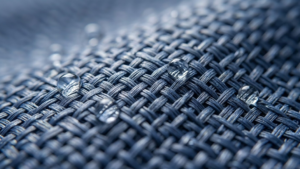
It is also important to understand that the rating measures pressure at a single point under test conditions. It does not directly measure how many hours a storm lasts. Real-world performance depends on exposure time, wind and garment design.
How Lightweight Materials Perform in Downpours
Lightweight waterproof fabric can perform very well in short bursts of heavy rain. During brief downpours, a properly rated fabric will repel water effectively.
Challenges arise in specific situations:
- Prolonged exposure – Constant rainfall over several hours can gradually saturate the outer surface.
- Wind-driven rain – Wind increases pressure on the fabric surface.
- Unsealed seams – Water often enters through stitching rather than through the fabric itself.
- Surface saturation – When the outer layer becomes soaked, breathability may reduce.
In many home sewing projects, exposure is intermittent rather than extreme. Garden cushions brought indoors after use or covers used seasonally are less likely to face continuous storm conditions.
Breathability vs Protection in Wet Weather
There is often a balance between breathability and maximum rain protection.
Breathable waterproof material allows moisture vapour to escape. This improves comfort in clothing and reduces condensation under covers. To achieve this, membranes include microscopic pores.
Heavier fully sealed fabrics, such as thick PVC, may block water extremely well but allow little airflow. They can feel stiffer and less flexible.
For high-intensity use, such as active wear, breathability matters. For static covers exposed to long-term rain, maximum water resistance may take priority.
Understanding this trade-off helps you match the material to the project rather than assuming one option suits every situation.
When Lightweight Waterproof Fabric Is a Good Choice
Lightweight waterproof fabric is often ideal for:
- Occasional heavy showers
- Spring and summer outdoor use
- Travel projects where portability matters
- Garden accessories that are stored after use
- Items where flexibility and ease of sewing are important
In these cases, a well-rated lightweight rainproof fabric provides reliable performance without unnecessary bulk.
Situations Where Heavier Protection May Be Better
Heavier materials may be more appropriate when facing:
- Prolonged exposure to heavy rain
- Commercial outdoor environments
- High wind areas
- Long-term static covers left outside year-round
- High-friction surfaces under constant use
In these conditions, a thicker outdoor waterproof fabric with reinforced construction may provide greater long-term durability.
How Design Features Affect Rain Protection
Fabric rating alone does not determine overall performance. Design plays a major role.
Key features include:
- Sealed seams – Prevent water from entering through stitching holes.
- Storm flaps – Protect zips and openings.
- Double-layer construction – Adds extra protection in exposed areas.
- Reinforced panels – Reduce wear in high-stress zones.
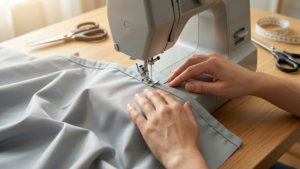
Even a fabric with a high hydrostatic head rating can leak if seams are left unsealed. Conversely, thoughtful design can improve performance in lighter materials.
Tips for Getting the Best Performance in Heavy Rain
To maximise heavy rain protection:
- Choose a suitable waterproof rating for your intended use.
- Check whether seams are sealed or need taping.
- Reproof regularly to maintain surface water repellency.
- Avoid leaving items saturated for long periods.
- Store dry and clean to protect coatings.
Simple maintenance habits often extend performance significantly.
Frequently Asked Questions
Is lightweight waterproof fabric fully waterproof?
It can be highly water resistant, but full performance depends on the rating, seams and exposure conditions.
What waterproof rating is suitable for heavy rain?
A rating of 5,000 mm or above is generally suitable for heavy showers, though exposure time and wind also matter.
Does lightweight mean less durable?
Not necessarily. Durability depends on fibre quality and construction, not just weight.
Can lightweight waterproof fabric be reproofed?
Yes. Surface water repellency can often be restored with suitable treatments.
How do I choose the right material for outdoor use?
Consider how long the item will be exposed, whether it will face wind and whether breathability is important.
If you are unsure which material suits your project best, you are always welcome at UK Fabrics Online to contact us for personalised guidance. We are here to help you make a confident and informed choice.
Leave a Reply