A Simple Guide to Washing Breathable Waterproof Fabric
19th March, 2026
Will washing breathable waterproof fabric ruin it? That worry is common, especially if you have invested time and money into outdoor cushions, jackets or handmade projects.
The good news is that correct care does not damage performance. In fact, gentle washing helps breathable waterproof material care by removing dirt that blocks breathability. With the right method, you can clean your fabric and maintain its protective qualities at the same time.
How to Wash Breathable Waterproof Fabric
Before going into detail, here is a simple overview of the process:
- Check the care label.
- Use a specialist detergent.
- Wash at a low temperature on a gentle cycle.
- Avoid fabric conditioner.
- Rinse thoroughly.
- Dry carefully and reactivate water repellency if needed.
Washing breathable waterproof fabric is less about avoiding water and more about using the right products and temperatures.
What Makes Fabric Breathable and Waterproof
To understand how to wash waterproof fabric properly, it helps to know how it works.
Breathable waterproof fabric combines two features:
- A waterproof membrane that blocks liquid water.
- A Durable Water Repellent coating, often called a DWR coating, that helps water bead on the surface.
Some fabrics use microporous technology. This means the membrane contains tiny pores. These pores are small enough to stop rain droplets entering, but large enough to allow moisture vapour from inside to escape. That is what makes the fabric feel breathable rather than clammy.
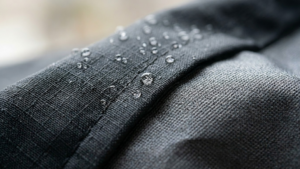
If you would like to explore the structure and options available, you can view our range of breathable waterproof fabric, which shows how these materials are designed for performance and durability.
Understanding this structure explains why washing matters. Dirt and detergent residue can clog those pores or damage the outer coating.
Why Regular Detergent Can Cause Problems
Standard household detergents are not designed for performance fabrics. They can interfere with waterproof fabric maintenance in several ways:
- Residue can block breathable pores.
- Fabric softener can damage the durable water repellent coating.
- Biological detergents may strip protective finishes.
- Strong fragrances and additives can reduce water beading.
When residue builds up, water stops beading and starts soaking into the outer layer. The membrane may still be waterproof underneath, but breathability and comfort are reduced.
Using the right cleaner makes a significant difference.
How Often Breathable Waterproof Fabric Should Be Washed
There is a common myth that washing ruins waterproofing. In reality, not washing can be worse.
Dirt, sweat and oils break down coatings over time. Washing breathable waterproof fabric removes these contaminants and helps restore performance.
Frequency depends on use:
- Heavy outdoor use – Wash when visibly dirty or after prolonged exposure to rain and mud.
- Moderate use – Every few months if used regularly.
- Occasional use – Once or twice per season may be sufficient.
If water stops beading or the fabric feels less breathable, that is often a sign it needs cleaning rather than replacing.
Preparing Garments Before Washing
A few simple preparation steps protect both the fabric and your washing machine.
- Close all zips and fastenings.
- Empty pockets completely.
- Brush off loose mud or debris.
- Check the care label for specific temperature guidance.
This reduces friction and prevents unnecessary stress on seams and coatings.
Best Way to Wash Breathable Waterproof Fabric
Follow these steps for safe, effective cleaning:
- Use a specialist detergent formulated for waterproof fabric.
- Wash at a low temperature, typically 30°C.
- Select a gentle or delicate cycle.
- Avoid fabric conditioner completely.
- Rinse thoroughly to remove all detergent residue.
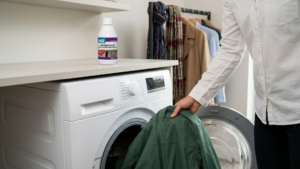
These steps support breathable waterproof material care without stripping protective finishes. If you are unsure, always prioritise the instructions on the care label.
Can You Machine-Wash Breathable Waterproof Items?
In most cases, yes. You can machine wash waterproof fabric safely, provided you follow the care instructions and use the correct detergent.
Modern membranes are designed to withstand gentle machine cycles. Hand washing may be recommended for delicate or structured items, but it is not always necessary.
The key factors are low temperature, mild cleaning products and careful rinsing.
How to Dry Without Damaging Performance
Drying plays an important role in waterproof fabric maintenance.
There are two main options:
- Air drying – Safe and low risk. Hang in a well-ventilated area away from direct heat.
- Low heat tumble drying – Only if the care label permits it.
Low heat can actually help reactivate the durable water repellent coating. Gentle warmth allows the coating to redistribute and restore water beading.
Excessive heat, however, can damage membranes or cause coatings to degrade. Always avoid high heat settings.
How to Restore Water Repellency After Washing
If water no longer beads on the surface after cleaning, reproofing may be needed.
Common options include:
- Spray-on reproofers – Applied directly to the outer surface.
- Wash-in waterproofing treatments – Added during a washing cycle.
Reproof waterproof fabric when you notice reduced beading rather than waiting for leaks. Restoration works best when the membrane remains intact and only the surface coating has worn down.
Reproofing improves surface repellency, but it may not restore performance if the fabric is physically damaged.
Common Mistakes to Avoid
Avoid these common errors when washing breathable waterproof fabric:
- Using regular detergent
- Adding fabric softener
- Overheating in the tumble dryer
- Skipping reproofing when water stops beading
- Washing too infrequently and allowing dirt to build up
Most performance issues come from product choice or excessive heat rather than from washing itself.
Frequently Asked Questions
Can you wash breathable waterproof fabric in a normal washing machine?
Yes, most items can be washed in a standard machine on a gentle, low-temperature cycle.
Does washing remove waterproofing?
Washing with the correct detergent does not remove waterproofing. Using regular detergent can reduce water repellency.
How do you know when to reproof?
If water stops beading on the surface and begins to soak in, it is time to reproof.
Can you use non-bio detergent?
Non-bio is better than biological, but a specialist waterproof detergent is still the safest choice.
How long does breathable waterproof fabric last with proper care?
With regular cleaning and sensible maintenance, performance fabrics can last for many seasons, depending on use and exposure.
If you would like advice before starting a new project or choosing performance materials, at UK Fabrics Online, you are always welcome to contact us. We are here to help you care for your fabric properly and choose options that suit your needs with confidence.
Leave a Reply