Waterproof Softshell Fabric vs Hardshell Materials
31st March, 2026
Softshell or hardshell? It is a common dilemma when choosing fabric for jackets, children’s wear or outdoor accessories. Both are designed to protect against wet weather, yet they are built with different priorities in mind.
This guide explains the differences in simple terms. By the end, you will understand how protection, breathability, comfort and weight vary, and which option suits your project best.
Waterproof Softshell Fabric vs Hardshell Materials
At a glance, both fabric types offer weather protection. The difference lies in how they achieve it.
- Waterproof softshell fabric focuses on comfort, stretch and everyday flexibility with moderate rain protection.
- Hardshell materials prioritise maximum waterproof performance and wind resistance, often with a more structured feel.
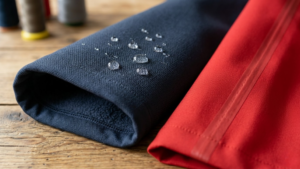
This is not about one being better than the other. It is about suitability. The right choice depends on how and where the fabric will be used.
What Is Waterproof Softshell Fabric
Waterproof softshell fabric is typically made from multiple bonded layers. These usually include:
- A stretch-woven outer layer
- A breathable waterproof membrane
- A soft inner lining for comfort
The result is a flexible, comfortable fabric that moves easily with the body. It often feels warmer and softer than rigid alternatives.
Softshell material is popular for outdoor jackets, children’s clothing, active wear and even some accessories. It balances light rain protection with breathability and comfort.
If you are considering this option for your next project, you can explore our range of waterproof softshell fabric to see how this material combines flexibility with weather resistance.
Softshell is designed for movement and everyday wear rather than extreme storm conditions.
What Are Hardshell Materials
Hardshell materials are built with weather protection as the main priority.
They typically feature:
- A rigid or structured outer layer
- A fully waterproof membrane
- Sealed seams to block water entry
Waterproof hardshell fabric is designed to withstand prolonged rain and strong winds. It may feel lighter in weight than softshell, but it is less stretchy and less insulated.
Hardshell waterproof material is often used in outer layers intended for sustained exposure to wet weather. It is more technical in structure but does not necessarily provide warmth on its own.
How Protection Levels Compare
When comparing softshell vs hardshell, protection levels are often the main concern.
Both fabrics can carry waterproof ratings, but hardshell materials generally offer higher resistance to prolonged heavy rain.
Key differences include:
- Waterproof ratings – Hardshell fabrics often feature higher ratings for extended rain exposure.
- Prolonged rain – Hardshell performs better in continuous downpours.
- Wind protection – Hardshell is usually more windproof due to its denser structure.
- Seam sealing – Hardshell garments are more likely to include fully sealed seams.
Softshell can handle showers and moderate rain effectively. In sustained heavy rainfall, hardshell tends to offer stronger overall protection.
Breathability and Comfort Differences
Breathability and comfort are where the contrast becomes clearer.
Softshell advantages:
- More stretch and flexibility
- Softer feel against the skin
- Better suited to active use
- Often warmer due to the inner lining
Hardshell characteristics:
- Less stretch
- Can feel firmer or more structured
- May require layering underneath for warmth
- Designed primarily for weather defence
Breathable waterproof fabric is important for comfort. Softshell generally provides better airflow for everyday movement, while hardshell focuses more on blocking external moisture.
For active outdoor use or children’s garments, flexibility may be a key factor. For exposed environments, protection may take priority.
Weight and Packability
Weight can influence your decision, especially for travel or compact storage.
Softshell fabric is often slightly heavier because of its layered construction and lining. However, it remains flexible and comfortable to wear.
Hardshell materials are often lighter and more compact. They can fold down easily, making them suitable for emergency rain layers or packable outerwear.
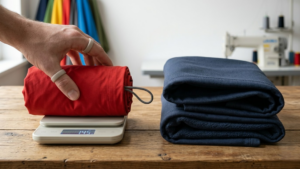
For handmade projects such as bags or covers, weight may affect how easily the item can be stored or transported.
Durability in Tough Conditions
Durability depends on specific construction, not just category.
Softshell fabric can be highly abrasion-resistant, especially in everyday settings. It handles movement, bending and friction well.
Hardshell waterproof material is designed to cope with extended rain and wind exposure. It may be more suitable for long periods outdoors in challenging weather.
Fabric thickness, coating quality and seam construction all influence longevity. A well-made softshell can outperform a lower-quality hardshell, and vice versa.
Which Option Works Better for Everyday Use
For typical UK conditions, many people find softshell suitable for day-to-day wear. It provides protection against showers, feels comfortable and allows easy movement.
Hardshell is often chosen for more extreme or unpredictable weather. If you expect prolonged heavy rain or strong winds, it offers greater reassurance.
For garden projects, children’s outerwear or small-batch accessories, the choice depends on exposure level. Occasional rain may not require maximum protection.
Choosing Between Softshell and Hardshell for Your Activity
Use this simple guide to decide:
- Assess how much rain exposure the item will face.
- Consider whether flexibility and stretch are important.
- Think about activity level and breathability needs.
- Factor in layering for warmth.
- Balance comfort with protection rather than focusing on rating alone.
If the project prioritises comfort and movement, waterproof softshell fabric may be the better option. If it must withstand prolonged rain, a hardshell is often more suitable.
Frequently Asked Questions
Is waterproof softshell fabric fully waterproof?
It is water-resistant and often waterproof to a moderate rating, but it is usually designed for showers rather than prolonged heavy rain.
Is hardshell better for heavy rain?
In sustained heavy rain, hardshell materials generally provide stronger protection.
Which is more breathable?
Softshell fabric is typically more breathable and flexible than hardshell.
Can softshell be used for outdoor seating or covers?
It can be used for certain projects, but prolonged static exposure to rain may require a more robust outdoor waterproof fabric.
How do I choose the right fabric for my project?
Consider exposure level, comfort needs and intended use rather than focusing on one feature alone.
If you would like personalised advice before making your choice, you are welcome to contact us at UK Fabrics Online before you make any decisions. We are here to help you select the right material with clarity and confidence.
Leave a Reply