What Is the Best Type of Velvet Fabric for Upholstery?
5th January, 2026
Choosing the best velvet fabric for upholstery is rarely about looks alone.
For upholstery professionals, the right choice usually balances durability, handling, cost control, and how the fabric performs once it leaves the workshop.
Velvet can be an excellent upholstery fabric, but only when the fibre type, pile structure, and backing are matched to the job in front of you.
This guide explains how different velvets behave in real-world upholstery settings, helping you make informed decisions for sofas, chairs, cushions, and commercial pieces.
What Velvet Fabric Is and Why It Suits Upholstery
Velvet fabric is defined by its raised pile, which is formed during weaving or knitting to create a soft, dense surface. That pile is what gives velvet its depth of colour and light-catching finish.
For upholstery work, velvet is popular because it adds visual weight and texture without relying on pattern. It also tends to sit neatly on frames when correctly specified, giving a tailored finish across seats, backs, and arms.
In upholstery projects, velvet works particularly well when a fabric has enough body to resist stretching and flattening. Many upholstery-grade options are designed specifically with reinforced backings and higher pile density. A broad selection of suitable options can be explored within the velvet fabric range, which makes it easier to compare finishes and weights before committing to a job.
Key Factors That Affect Velvet Performance
Velvet performance depends on more than fibre name alone. Several construction details directly affect how well the fabric will hold up once upholstered.
Key factors to assess include:
- Durability and rub count – which indicate resistance to wear
- Pile density – affecting how quickly pressure marks appear
- Fibre content – influencing strength, fade resistance, and care needs
- Usage environment – such as decorative furniture versus high-traffic seating
Ignoring these elements can lead to premature wear, visible crushing, or unhappy clients, especially on sofas and frequently used chairs.
Cotton Velvet for Upholstered Furniture
Cotton velvet is often chosen for its natural feel and rich surface texture. It offers good breathability and a softer, more traditional appearance than many synthetic options. Cotton velvet can look excellent on accent chairs, headboards, and decorative pieces where the furniture is not under constant use.
However, cotton velvet marks more easily than other types and tends to show pressure lines quickly. It is also less forgiving in busy environments and may require more maintenance to keep it looking its best.
For upholstery businesses, cotton velvet is usually best reserved for low-use furniture rather than family sofas or contract seating.
Silk Velvet and Where It Works Best
Silk velvet sits firmly at the luxury end of the market. It has an exceptionally soft handle and a distinctive sheen that is difficult to replicate with other fibres. From an upholstery perspective, silk velvet is best suited to show pieces, statement chairs, or period furniture where visual impact matters more than durability.
The drawbacks are significant for everyday use. Silk velvet is expensive, delicate, and highly prone to marking and wear. It does not cope well with friction or moisture and is rarely appropriate for high-use upholstery projects. Most professionals avoid specifying silk velvet unless the client fully understands its limitations.
Synthetic Velvet Options for Everyday Use
Synthetic velvet, most commonly polyester or polyester blends, is one of the most practical choices for upholstery. These velvets are designed to cope with regular use while maintaining colour and surface appearance. They resist fading, recover better from pressure, and are generally easier to clean than natural fibre options.
For upholstery businesses, synthetic velvet offers a reliable balance between performance and cost. It is widely used for sofas, armchairs, dining chairs, and even some commercial applications. Polyester velvet also tends to be more consistent between batches, which is helpful when ordering additional metres for matching pieces or future work.
Performance Velvet for Busy Households
Performance velvet is engineered specifically for demanding environments.
These fabrics are designed to resist spills, stains, and crushing, making them a strong choice for family homes, pet-friendly interiors, and hospitality settings. Many performance velvets include protective finishes or tightly engineered pile structures that improve longevity.
In recent years, performance velvet has become increasingly popular for commercial upholstery where clients want a softer look without sacrificing durability. For professionals, it offers reassurance that the finished piece will stand up to daily use with fewer aftercare concerns.
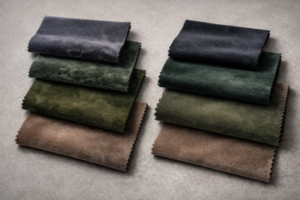
How Pile, Weave, and Backing Change Durability
Construction plays a major role in how velvet behaves once upholstered. Small differences can have a big impact on long-term performance.
- Short pile vs long pile
Short pile velvets tend to resist crushing and show fewer pressure marks. Long pile velvets feel softer but usually wear faster. - Woven vs knitted velvet
Woven velvets generally offer greater stability and strength, making them better suited to upholstery frames. Knitted velvets can stretch more and may suit softer applications. - Backing and reinforcement
Upholstery-grade backings improve tear resistance and help the fabric hold tension during fitting. A reinforced backing often indicates a velvet intended for furniture rather than fashion or soft furnishings.
Best Velvet Choices for Sofas, Chairs, and Cushions
Different furniture pieces place different demands on velvet upholstery. Matching the fabric to the furniture type helps extend the lifespan and maintain the appearance.
| Furniture Type | Ideal Velvet Type | Why |
| Sofa | Performance or synthetic velvet | Handles high wear and frequent contact |
| Armchair | Synthetic or dense cotton velvet | Balances comfort and durability |
| Occasional chair | Cotton or blended velvet | Suitable for lighter use |
| Cushions | Cotton, synthetic, or performance velvet | Easier to refresh or replace |
Care and Maintenance Considerations
Velvet upholstery benefits from regular, gentle care. Routine vacuuming with a soft brush attachment helps prevent dust from settling into the pile. Light brushing can lift flattened fibres and restore appearance. Spot cleaning should always be tested in an inconspicuous area, as different fibres respond differently to moisture.
Some velvets require professional dry cleaning, while others are water-safe and easier to maintain. Understanding care requirements before specifying fabric can help manage client expectations and reduce aftercare issues.
Choosing the Best Velvet Fabric for Your Home
The best velvet fabric for upholstery depends on how the furniture will be used, who will use it, and how much maintenance is realistic. By considering fibre type, construction, and environment, upholstery professionals can choose velvet that performs as well as it looks.
If you need guidance on selecting the right option for a specific project, the team at UK Fabrics Online can help. You can contact us for advice and support before placing your order.
Leave a Reply