Can Waterproof Breathable Fabric Keep You Cool?
15th June, 2026
Waterproof breathable fabric does not actively cool the body, but it can improve comfort by allowing moisture vapour and excess heat to escape while still protecting against rain.
This distinction is important because many people assume breathable waterproof fabrics work like cooling technology. In reality, they help your body regulate temperature more effectively by reducing the build-up of heat and moisture inside clothing or equipment.
Whether you’re choosing materials for outdoor clothing, cycling gear, workwear or a DIY project, understanding how waterproof breathable fabrics work can help you make more informed decisions.
What Is Waterproof Breathable Fabric?
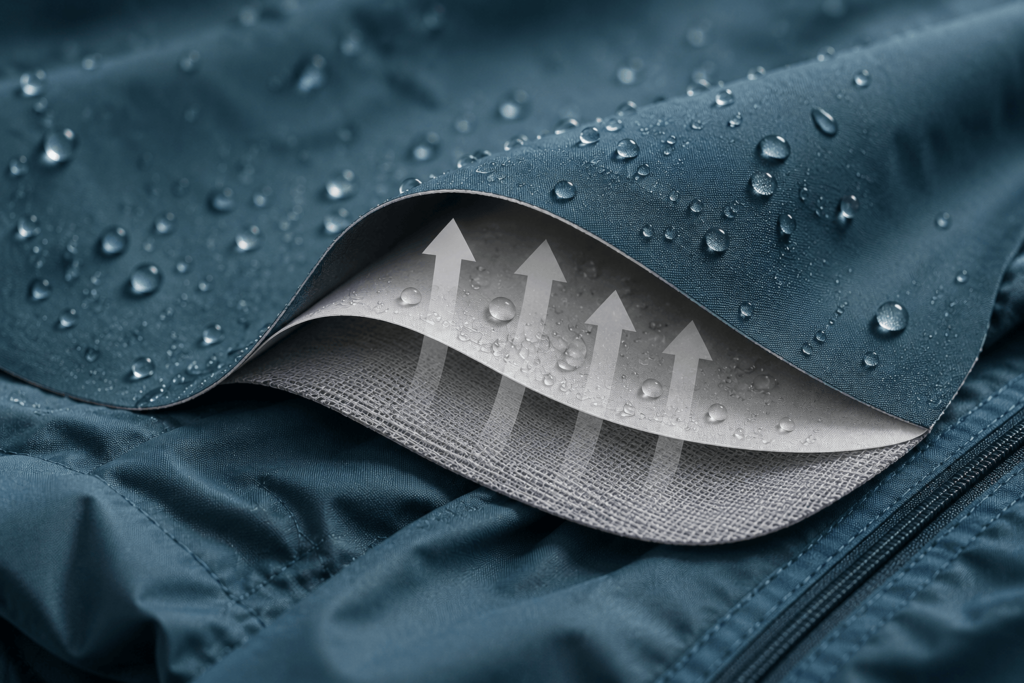
Waterproof breathable fabrics are designed to prevent liquid water entering while allowing moisture vapour to escape.
Traditional waterproof materials focus solely on keeping rain out. Breathable waterproof fabrics aim to balance weather protection with wearer comfort.
This is typically achieved through specialised membranes, coatings or layered constructions that allow water vapour generated by the body to move outward while preventing rain from penetrating inward.
The result is a material that can feel more comfortable during activity, particularly when compared with fabrics that trap heat and moisture against the skin.
Different constructions manage moisture in different ways, which is one reason understanding different types of waterproof fabric can be useful when comparing materials for outdoor use.
How Waterproof Breathable Fabric Works
The science behind breathable waterproof fabrics can sound complicated, but the basic principle is straightforward.
Waterproof Barriers
The waterproof component is designed to stop liquid water entering the fabric.
Rain droplets are significantly larger than water vapour molecules, allowing some waterproof systems to block external moisture while still permitting vapour movement.
Moisture Vapour Transfer
As your body produces heat and perspiration, moisture vapour builds up inside clothing.
Breathable waterproof fabrics are designed to help this vapour move away from the body, reducing the damp and clammy feeling often associated with traditional waterproof materials.
Airflow Versus Breathability
One of the biggest misconceptions is that breathable fabrics work by allowing air to pass freely through the material.
Breathability and airflow are not the same thing.
Many waterproof breathable fabrics do not allow significant airflow. Instead, they help transport moisture vapour away from the body while maintaining water resistance.
A Simple Way To Visualise It
Imagine standing in the rain while wearing a waterproof jacket.
A standard waterproof material may keep rain out but trap sweat and body heat inside.
A breathable waterproof material still blocks the rain, but it helps moisture vapour escape, making the wearer feel more comfortable during activity.
Can Waterproof Breathable Fabric Keep You Cool?
The primary benefit is improved comfort rather than direct cooling.
A waterproof breathable fabric does not lower body temperature or actively create a cooling effect.
Instead, it helps reduce some of the conditions that make people feel hot and uncomfortable, particularly during physical activity.
By allowing moisture vapour to escape more efficiently, breathable waterproof materials can help reduce:
- Sweat build-up
- Internal condensation
- Dampness
- Overheating sensations
- Clammy discomfort
This can make a significant difference when walking, cycling, working outdoors or spending long periods in changing weather conditions.
The effect is often most noticeable when comparing breathable waterproof materials against waterproof fabrics that have little or no vapour transfer capability.
The Difference Between Waterproof And Breathable Materials
Not all waterproof fabrics offer the same level of comfort.
| Feature | Waterproof Only | Waterproof Breathable |
| Rain protection | Yes | Yes |
| Moisture vapour transfer | Limited | Improved |
| Comfort during activity | Lower | Higher |
| Sweat management | Limited | Better |
| Condensation reduction | Limited | Better |
| Suitable for active use | Sometimes | Often |
This is one reason customers frequently ask can fabric be both waterproof and breathable, particularly when selecting materials for outdoor clothing and technical projects.
How Moisture Vapour Technology Improves Comfort
Managing moisture is often more important than people realise.
During physical activity, the body naturally produces heat and perspiration. If that moisture becomes trapped inside clothing, comfort can quickly decline.
Perspiration
Sweat itself is not usually the problem.
The issue occurs when moisture cannot escape efficiently.
Condensation
As warm air inside clothing meets cooler external conditions, condensation can develop.
This often creates the impression that a waterproof garment is leaking when the moisture is actually coming from inside.
Internal Moisture Build-Up
Breathable waterproof fabrics help reduce this build-up by allowing moisture vapour to move outward more effectively.
The result is often a drier and more comfortable experience, particularly during prolonged activity.
Why Breathability Matters In Outdoor Clothing
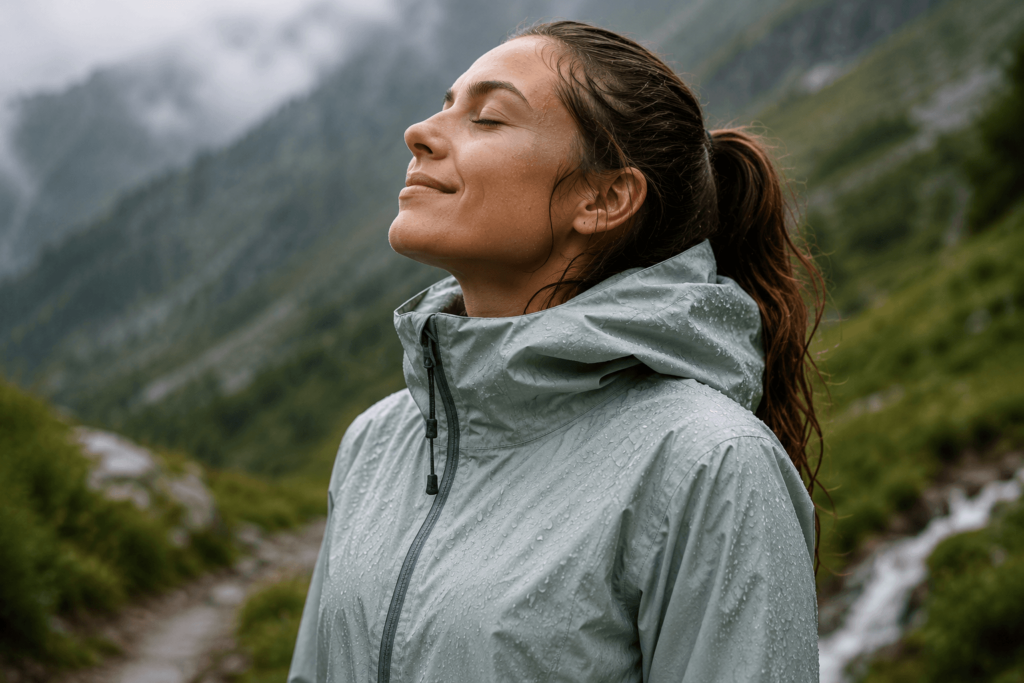
Breathability becomes increasingly important as activity levels rise.
Walking And Hiking
Long walks generate body heat and perspiration, even in cooler conditions.
Breathable materials can help improve comfort by reducing moisture accumulation inside clothing.
Cycling
Cyclists often experience rapid changes in body temperature during exertion.
Managing moisture effectively can help improve comfort throughout a ride.
Workwear
Outdoor workers may spend long hours exposed to changing weather conditions.
Breathable waterproof fabrics can help support comfort during physically demanding tasks.
Sportswear
Many technical sports garments use breathable waterproof materials because comfort often depends as much on moisture management as weather protection.
How Weather Conditions Affect Waterproof Fabric Performance
Performance can vary depending on the environment.
Hot Weather
Breathability can help improve comfort during warm conditions, but it cannot eliminate heat entirely.
If the surrounding environment is hot, the wearer may still feel warm regardless of the fabric technology used.
Humid Conditions
High humidity can make moisture transfer more difficult because there is less difference between the moisture levels inside and outside the garment.
Cold Conditions
In colder weather, breathable waterproof fabrics may help reduce moisture accumulation while maintaining protection from rain and wind.
Heavy Rain
During prolonged rainfall, maintaining both waterproof protection and comfort becomes particularly important.
The Best Uses For Waterproof Breathable Fabrics
Breathable waterproof materials are commonly used in:
- Outdoor clothing
- Walking jackets
- Cycling garments
- Workwear
- Hiking equipment
- Technical accessories
- Marine applications
- Specialist DIY projects
The right material depends on the balance between weather protection, durability and comfort required for the intended use.
How Fabric Layers Influence Temperature Regulation
The fabric itself is only one part of the comfort equation.
Base Layer
The layer closest to the skin helps manage moisture.
Mid Layer
This layer provides insulation and warmth.
Outer Shell
The waterproof breathable outer layer protects against rain while allowing moisture vapour to escape.
When these layers work together effectively, overall comfort can improve significantly.
Even the best breathable fabric can struggle if the layering system underneath it is unsuitable.
Common Misunderstandings About Waterproof Clothing And Heat
Several myths continue to cause confusion.
Waterproof Equals Hot
Not necessarily.
Some waterproof materials trap significantly more moisture than others.
Breathable Equals Cool
This is probably the biggest misconception.
Breathable fabrics do not actively cool the body.
They help manage moisture and heat more effectively.
All Membranes Perform Equally
Performance varies considerably between different fabric constructions, coatings and membrane systems.
Choosing The Right Waterproof Breathable Fabric For Different Activities
Different activities place different demands on a fabric.
| Activity | Key Priority |
| Walking | Comfort and weather protection |
| Hiking | Moisture management and durability |
| Cycling | Breathability and flexibility |
| Workwear | Durability and comfort |
| Marine use | Weather resistance and reliability |
| DIY projects | Suitability for the intended application |
Choosing the right material often involves balancing protection, durability, flexibility and comfort rather than focusing on a single feature.
How To Maintain Breathability In Waterproof Fabrics
Proper care plays an important role in maintaining performance.
Cleaning
Dirt and contamination can affect how efficiently a fabric manages moisture.
Washing
Following care instructions helps preserve fabric performance.
Reproofing
Some materials may benefit from maintenance treatments designed to support water repellency.
Storage
Long-term performance can also be influenced by storage conditions, which is why understanding how to store waterproof fabrics without causing damage can be valuable for both garment makers and fabric buyers.
Questions around maintenance also extend with how to iron waterproof fabric, particularly when working with technical materials that rely on specialised coatings or membranes.
Signs Of Poor-Quality Waterproof Breathable Materials
Not all breathable waterproof fabrics perform equally well.
Potential warning signs include:
- Excessive condensation
- Persistent clamminess
- Limited moisture transfer
- Rapid deterioration
- Coating issues
- Inconsistent performance
Fabric quality, construction and maintenance all influence how long waterproof fabric stays waterproof under real-world conditions.
Frequently Asked Questions About Waterproof Breathable Fabric
Does waterproof breathable fabric actually keep you cool?
Not directly. It helps improve comfort by managing moisture and heat more effectively.
Is breathable fabric less waterproof?
Not necessarily. Many breathable waterproof fabrics provide excellent weather protection.
Can breathable waterproof fabric be used in summer?
Yes. Breathability can help improve comfort during warmer conditions, particularly during physical activity.
Does breathability mean air can pass through the fabric?
Not always. Breathability often relates to moisture vapour transfer rather than airflow.
Are all waterproof breathable fabrics the same?
No. Construction methods, coatings and membranes can vary significantly.
Why do I still feel warm in breathable waterproof clothing?
Breathable fabrics help manage heat and moisture, but they do not eliminate body heat or external temperatures.
Is breathable waterproof fabric suitable for cycling?
Many cyclists choose breathable waterproof materials because of their moisture-management properties.
Waterproof breathable fabric does not actively cool the body, but it can play an important role in improving comfort.
By helping moisture vapour escape while preventing rain from entering, these materials can reduce the damp, clammy feeling often associated with traditional waterproof fabrics. The result is a more comfortable experience during walking, cycling, work and outdoor activities.
If you’re looking for the right balance of weather protection and comfort, explore our range of waterproof breathable fabric suitable for outdoor clothing, technical projects and specialist applications. If you’d like help choosing the right material, contact us at UK Fabrics Online and we’ll be happy to help.
Leave a Reply