A Simple Guide to Cleaning Waterproof Fabric
1st July, 2026
Waterproof fabric is designed to handle moisture, spills and outdoor exposure, but it still needs the right care to keep performing well. Washing it incorrectly can reduce water repellency, damage coatings or shorten the life of the material.
In this guide, we explain how to wash waterproof fabric safely, what mistakes to avoid and how to keep it in good condition for outdoor cushions, furniture covers, bags and sewing projects.
Why Waterproof Fabric Requires Special Cleaning Care
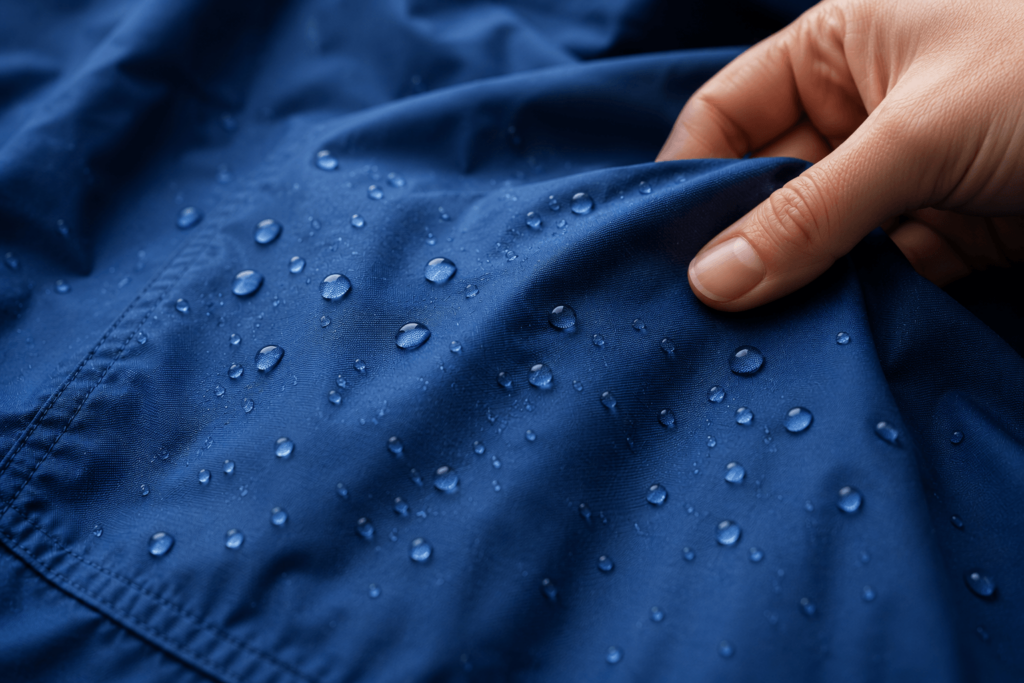
Waterproof fabrics rely on specialised coatings or fabric constructions that can be affected by harsh cleaning, so proper care matters.
Unlike standard cotton or upholstery fabrics, waterproof materials are designed to resist moisture rather than absorb it. Some use coated surfaces, while others rely on tightly woven fibres or laminated layers to repel water. Dirt, pollen, mud and residue can gradually interfere with how well these surfaces perform.
This is especially noticeable with outdoor cushions or garden furniture. After repeated exposure to rain, dust and tree debris, the fabric may start looking dull or stop beading water as effectively.
Gentle cleaning helps remove dirt without stripping away the protective finish. If you are unsure how different waterproof materials behave, understanding what waterproof fabric is can help you recognise why care instructions vary between products.
What Happens If Waterproof Fabric Is Washed Incorrectly?
Washing waterproof fabric the wrong way can reduce water repellency and damage the finish.
Harsh washing methods may cause several problems:
- Protective coatings may wear down faster
- Residue from detergents can block breathable layers
- Excessive heat may weaken some waterproof treatments
- Some fabrics may shrink or distort
- Water may stop beading and begin soaking into the surface
This matters whether you are cleaning outdoor seat pads, sewing project offcuts or heavy-duty covers. Even durable waterproof fabric should be cleaned with care to preserve performance.
A common mistake is over-washing. In many cases, a full wash is not needed. Spot cleaning or brushing off debris is often enough.
How To Wash Waterproof Fabric Safely
Cleaning waterproof fabric safely starts with removing loose dirt and following the manufacturer’s care guidance.
Use this simple checklist before washing:
1. Brush off loose dirt
Remove mud, leaves, dust or pet hair with a soft brush or dry cloth.
For outdoor cushions, shake out trapped debris from seams and folds before introducing water.
2. Check care instructions
Always look for care labels or supplier guidance first.
Different waterproof fabrics can behave very differently. Coated canvas, PU fabrics and laminated materials should not be treated as interchangeable.
3. Choose a gentle detergent
Use a mild detergent that does not leave heavy residue.
Avoid anything overly harsh, heavily fragranced or bleach-based.
4. Select the right wash method
Machine washing may be suitable for some fabrics, while others are better hand washed.
This is why understanding what is waterproof fabric helps before cleaning, especially when dealing with unfamiliar materials.
5. Rinse thoroughly
Leftover detergent can affect water repellency.
Make sure all soap residue is removed before drying.
Checking Care Labels Before Cleaning Waterproof Fabrics
Care labels should always guide your cleaning method.
Waterproof fabrics are not made to one universal standard. Some are machine washable, while others may only allow wiping or hand cleaning.
Look for instructions relating to:
- Washing method
- Heat exposure
- Drying instructions
- Ironing restrictions
- Chemical warnings
If the label conflicts with general advice, follow the label.
When no care instructions are available, start with the gentlest cleaning method possible.
Choosing The Right Detergent For Waterproof Materials
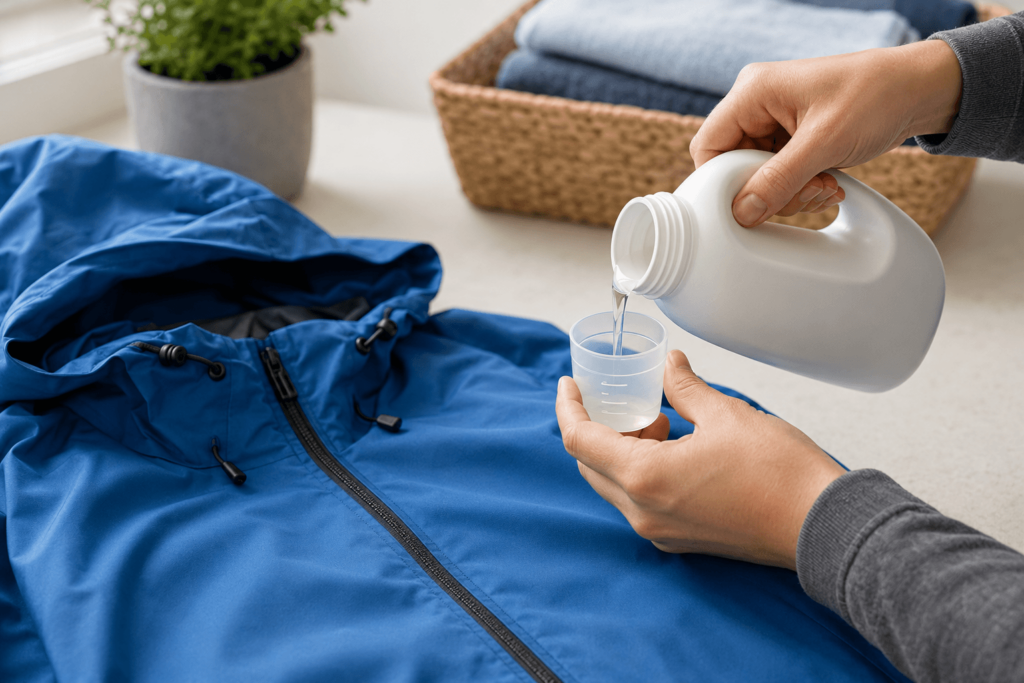
The wrong detergent can leave residue or interfere with water repellency.
Mild, low-residue detergents are generally safer than aggressive cleaners. Heavy detergents can cling to fabric surfaces and reduce performance over time.
Avoid:
- Bleach
- Harsh stain removers
- Strong solvent cleaners
- Biological detergents where fabric guidance advises against them
Fabric-safe cleaning matters just as much as washing technique.
If your project uses coated outdoor material, choosing the wrong cleaner may affect the finish faster than the wash itself.
Can Waterproof Fabric Be Machine Washed?
Some waterproof fabrics can be machine-washed, but many cannot.
The answer depends entirely on the fabric construction.
Machine washing may be suitable if:
- The care label allows it
- The fabric is flexible enough for drum movement
- Gentle cycles are recommended
Hand washing or sponge cleaning may be better for:
- Heavy coated fabrics
- Structured covers
- Thick outdoor upholstery
- Materials with bonded layers
This is where fabric type matters. Knowing the difference between waterproof and water-resistant materials can help you understand why some products tolerate machine washing better than others.
How Water Temperature Affects Waterproof Fabrics
Excessive heat can damage certain waterproof finishes.
Very hot water may soften coatings, weaken adhesives or affect laminated layers. Not every waterproof fabric responds the same way, so avoid assuming one wash temperature suits every material.
When in doubt:
- Use cooler or lukewarm water if permitted
- Avoid sudden temperature extremes
- Follow care instructions carefully
Heat is often a bigger risk than water itself.
Should Fabric Conditioner Be Avoided?
Fabric conditioner is often best avoided for waterproof materials.
Conditioners can leave a coating on the fabric surface. That residue may reduce water repellency by interfering with how moisture beads and rolls off.
This is particularly relevant for outdoor fabrics used on:
- Garden cushions
- Furniture covers
- Picnic accessories
- Waterproof bags
If maintaining repellency is the goal, skip conditioner unless the manufacturer specifically states otherwise.
How To Dry Waterproof Fabric Properly
Drying waterproof fabric correctly helps protect its finish.
Air drying is often the safest option.
After washing:
- Shake out excess water
- Lay flat or hang if suitable
- Allow airflow around the fabric
- Keep away from intense direct heat
Avoid placing waterproof fabrics on radiators or near strong heaters unless care guidance permits it.
For structured items like outdoor cushion covers, reshape them while damp so they dry evenly.
Maintaining Breathability And Water Repellency After Washing
Keeping waterproof fabric clean helps maintain performance.
Dirt and residue can block breathable surfaces or reduce water beading. Cleaning only when necessary often protects waterproof treatments better than frequent washing.
In some cases, reproofing may help restore water repellency after long-term use. This depends on the fabric and original treatment.
If water begins soaking into the surface rather than beading, it may be worth inspecting whether the protective finish has worn.
Understanding waterproof material vs water-resistant fabrics can also help set realistic expectations about long-term performance.
Common Mistakes That Damage Waterproof Fabrics
Small mistakes can reduce waterproof performance surprisingly quickly.
Avoid these common problems:
- Using bleach
- Washing with harsh detergents
- Applying excessive heat
- Ignoring care labels
- Storing fabric while damp
- Washing more often than necessary
Damp storage is especially problematic. Moisture trapped during storage can encourage odours, staining or mould. If this happens, our guide on removing mould from waterproof fabric can help you deal with the issue safely.
How Often Should Waterproof Fabric Be Cleaned?
Waterproof fabric should be cleaned based on use, not a fixed schedule.
Outdoor furniture fabrics may need seasonal cleaning, while indoor waterproof projects may only need occasional spot cleaning.
Ask yourself:
- Is dirt visible?
- Are stains developing?
- Has water stopped beading?
- Does the fabric smell damp?
If not, a full wash may not be necessary.
Cleaning only when needed often helps preserve coatings for longer.
Tips For Extending The Life Of Waterproof Fabrics
Good maintenance often matters more than frequent washing.
Use this simple checklist:
- Clean spills promptly
- Brush off dirt regularly
- Dry thoroughly before storage
- Store in a clean, dry space
- Inspect seams and edges for wear
- Avoid prolonged damp conditions
- Use covers properly during poor weather
If seams begin failing, repairs may be better than replacement. Small damage can often be fixed early before waterproof performance drops significantly.
Frequently Asked Questions About Washing Waterproof Fabric
Can you wash waterproof fabric by hand?
Yes, many waterproof fabrics can be hand-washed or sponge-cleaned, especially if machine washing is not recommended.
Does washing remove waterproofing?
Incorrect washing can reduce water repellency, particularly when harsh detergents or excessive heat are used.
Can waterproof upholstery fabric go in the washing machine?
Sometimes, but always check care instructions first. Some upholstery fabrics are too heavy or structured for machine washing.
Why does water stop beading on waterproof fabric?
This may happen when dirt, detergent residue or worn coatings reduce surface repellency.
Should waterproof fabric be washed before sewing?
That depends on the material. Some waterproof fabrics should not be pre-washed, so always check supplier guidance.
Can waterproof fabric be tumble-dried?
Only if the care instructions explicitly allow it.
Cleaning waterproof fabric properly does not need to be complicated, but it does require more care than washing ordinary textiles.
The safest approach is simple: clean gently, avoid harsh products, limit unnecessary washing and always follow care guidance where available.
If you are choosing fabric for outdoor cushions, furniture covers or sewing projects, exploring our waterproof fabric collection can help you compare options. If you are unsure which material suits your project, please contact us at UK Fabrics Online for practical advice before buying.
Leave a Reply