How to Extend the Life of Lightweight Waterproof Fabric
25th June, 2026
Lightweight waterproof fabric can provide years of reliable performance when cleaned, stored and maintained correctly, helping preserve both its waterproof properties and physical durability.
Whether you’re using lightweight waterproof materials for outdoor clothing, camping equipment, marine projects, bikepacking gear or DIY sewing projects, proper care can make a significant difference to how long the fabric remains functional.
The challenge is that lightweight fabrics often achieve their flexibility, packability and ease of handling through thinner constructions. While this offers clear benefits, it can also mean the material is more vulnerable to abrasion, UV exposure and poor maintenance practices.
Fortunately, many common causes of premature wear can be avoided with the right approach.
What Is Lightweight Waterproof Fabric?
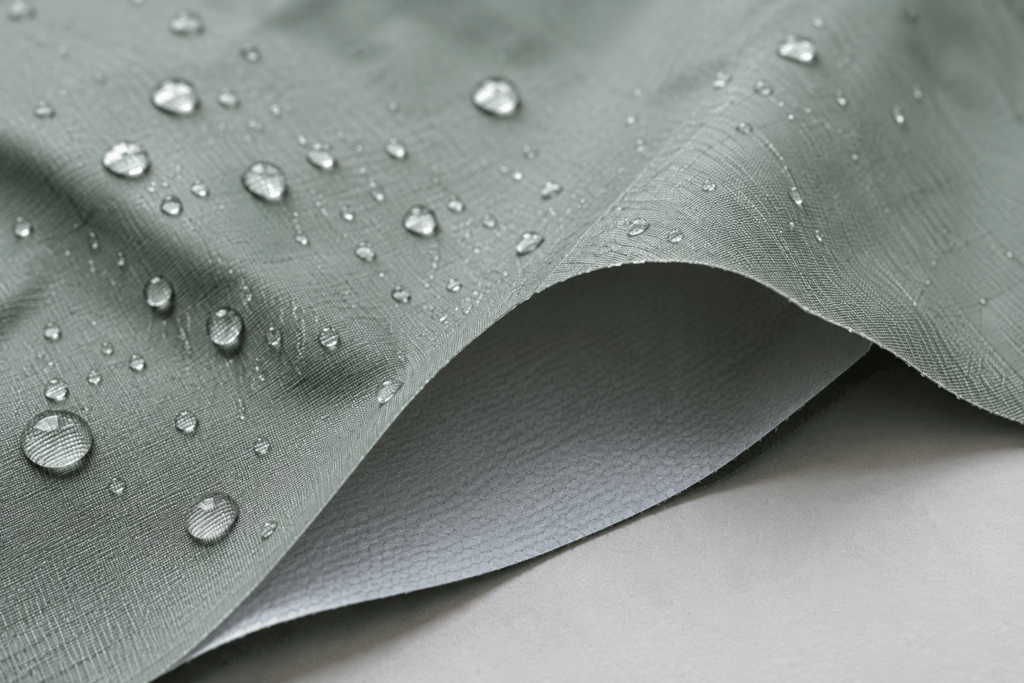
Lightweight waterproof fabrics are designed to offer weather protection while minimising weight, making them popular for clothing, outdoor equipment and portable applications.
Unlike heavier waterproof materials used for some covers, upholstery projects or industrial applications, lightweight fabrics prioritise portability and ease of use.
Common applications include:
- Waterproof jackets
- Walking trousers
- Dry bags
- Bikepacking equipment
- Lightweight covers
- Outdoor accessories
- Marine storage solutions
- DIY sewing projects
These fabrics often use coatings, membranes or layered constructions to provide weather protection without adding unnecessary bulk.
The result is a material that is easier to carry, pack and sew, while still offering protection from the elements.
Why Lightweight Fabrics Require Proper Care
Because lightweight materials often use thinner constructions, proper care can play an important role in maintaining performance and longevity.
A lightweight waterproof fabric is designed to balance weather protection with reduced weight. While this offers practical advantages, it can also mean the material requires more thoughtful handling than heavier alternatives.
The relationship between performance and maintenance can be summarised simply:
| Lightweight Fabric Advantage | Maintenance Consideration |
| Lower weight | May be more vulnerable to abrasion |
| Easier packing | Can develop creases if stored poorly |
| Greater flexibility | Benefits from careful handling |
| Comfortable to use | Requires appropriate cleaning methods |
| Compact storage | Long-term storage conditions matter |
The goal is not to treat lightweight fabrics as fragile. Rather, it is understanding that good maintenance helps preserve the characteristics that made the fabric attractive in the first place.
Common Causes Of Damage To Lightweight Waterproof Fabric
Most damage occurs gradually rather than suddenly.
Common causes include:
Abrasion
Repeated rubbing against rough surfaces can wear down coatings and protective finishes.
UV Exposure
Extended sunlight exposure can affect fibres, coatings and colour over time.
Improper Storage
Damp conditions, excessive heat and poor ventilation can all contribute to deterioration.
Dirt Build-Up
Dirt particles can create additional wear and may affect waterproof performance.
Chemical Exposure
Harsh cleaning products, solvents and unsuitable detergents can damage certain waterproof treatments.
Understanding these risks makes it much easier to prevent avoidable wear before it becomes a larger problem.
How To Clean Lightweight Waterproof Fabric Safely
Regular but gentle cleaning can help preserve waterproof performance and prevent premature wear.
Many people make the mistake of avoiding cleaning altogether because they are worried about damaging the fabric. In reality, allowing dirt, oils and contaminants to accumulate can sometimes create more problems than careful cleaning.
When cleaning lightweight waterproof fabrics:
- Follow any available manufacturer guidance
- Use suitable cleaning products
- Avoid harsh scrubbing
- Rinse thoroughly
- Allow the fabric to dry completely
Many of the same principles when washing waterproof fabric properly also apply to lightweight waterproof materials, where preserving coatings and treatments is often just as important as removing dirt.
Why Harsh Detergents Can Reduce Fabric Performance
Not all cleaning products are suitable for waterproof materials.
Some detergents may leave residues or affect specialist finishes designed to support waterproof performance.
| Suitable Cleaning Approach | Potential Problems |
| Gentle cleaning products | Harsh detergents |
| Thorough rinsing | Residue build-up |
| Fabric-specific care | General-purpose chemicals |
| Following care guidance | Excessive washing |
Residue Build-Up
Residues left behind after washing can affect how water interacts with the fabric surface.
Coating Degradation
Certain chemicals may contribute to premature wear of waterproof treatments.
Reduced Breathability
Where breathable waterproof materials are involved, contamination and residues may affect moisture management performance.
How To Dry Lightweight Waterproof Fabrics Correctly
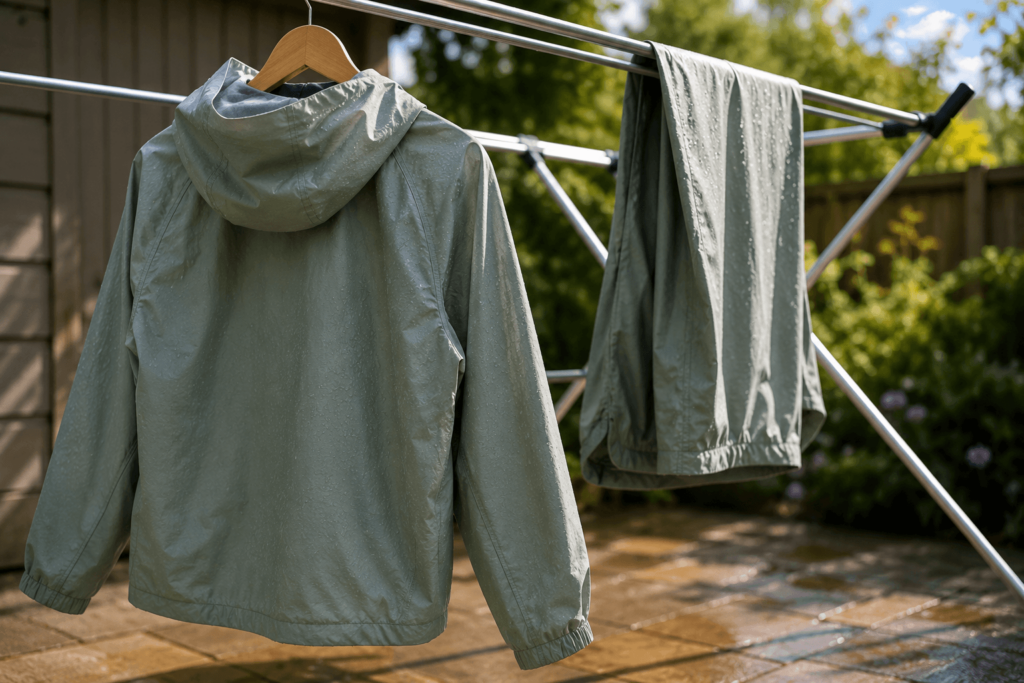
Drying methods can influence both appearance and performance.
Air Drying
Air drying is often the safest option for many lightweight waterproof materials.
Heat Risks
Excessive heat can place unnecessary stress on coatings, membranes and bonded constructions.
Questions surrounding heat exposure often extend beyond drying, which is one reason why you can iron waterproof fabric, and is a common concern among people working with technical materials.
Direct Sunlight Considerations
While outdoor drying may be convenient, prolonged exposure to strong sunlight can contribute to gradual wear over time.
Preventing Tears, Abrasion And Surface Wear
Prevention is usually easier than repair.
Proper Use
Avoid dragging lightweight materials across rough surfaces whenever possible.
Storage Considerations
Preventing unnecessary friction during storage can reduce wear.
Transport Protection
When transporting lightweight fabrics, avoid over-compression and minimise contact with sharp edges or abrasive materials.
Small preventative measures often have a significant impact on long-term durability.
How To Store Lightweight Waterproof Fabric Properly
Storage conditions can significantly influence long-term fabric performance.
A fabric that spends most of its life in storage may experience more damage from poor storage conditions than from actual use.
Good storage practices include:
- Keeping fabric clean and dry
- Avoiding excessive heat
- Preventing moisture build-up
- Allowing reasonable airflow
- Reducing prolonged compression
Long-term performance is often influenced by storage habits, which is why understanding how to store waterproof fabrics without causing damage can help prevent avoidable deterioration.
Rolling larger pieces instead of creating sharp folds may also help reduce stress points during long-term storage.
The Importance Of Maintaining Waterproof Coatings
Waterproof performance often depends on specialised treatments or constructions.
DWR Treatments
Some fabrics use durable water repellent (DWR) finishes that help water bead on the surface.
Over time, these treatments may become less effective through wear and contamination.
Waterproof Membranes
Certain materials rely on waterproof membranes as part of their construction.
Protecting these layers helps maintain long-term performance.
Reproofing Considerations
Some waterproof fabrics may benefit from reproofing products or maintenance treatments where appropriate.
However, it is important to recognise that not all fabrics can be fully restored to their original condition.
Maintenance can help preserve performance, but it cannot always reverse significant wear.
How UV Exposure Affects Lightweight Fabrics Over Time
Extended exposure to sunlight can gradually weaken fibres and affect waterproof performance.
UV exposure is one of the most overlooked causes of fabric deterioration.
Fibre Degradation
Sunlight can gradually weaken some materials over extended periods.
Colour Fading
Colours may become less vibrant after prolonged UV exposure.
Surface Wear
Protective finishes may also experience gradual deterioration.
This is particularly relevant for lightweight fabrics used in outdoor environments where sunlight exposure is unavoidable.
Whenever possible, store materials away from direct sunlight when they are not being used.
Can Lightweight Waterproof Fabric Be Repaired?
Many minor issues can be repaired, depending on the fabric type and extent of damage.
Addressing problems early often prevents them becoming larger and more expensive to resolve.
Patches
Small punctures and tears can often be repaired using suitable patching methods.
Seam Repairs
Minor seam issues may be repairable before they affect performance significantly.
Professional Repair Options
For larger or more complex problems, professional repair services may be worthwhile.
Small issues often become larger ones when ignored, which is why understanding how to repair waterproof fabric without ruining the coating can help extend the usable lifespan of waterproof materials.
Common Maintenance Mistakes To Avoid
Some of the most common mistakes include:
- Using unsuitable detergents
- Storing fabric while damp
- Leaving materials exposed to prolonged sunlight
- Applying excessive heat
- Ignoring minor damage
- Storing fabrics in poorly ventilated spaces
- Over-compressing packed materials
- Delaying routine cleaning
Many of these issues are entirely preventable with a little forward planning.
Tips For Extending The Lifespan Of Outdoor Fabrics And Clothing
If your goal is maximising fabric lifespan, focus on consistency rather than occasional deep maintenance.
Practical Checklist
- Clean fabrics before storage
- Allow materials to dry fully
- Store away from excessive heat
- Protect fabrics from prolonged UV exposure
- Address minor damage early
- Avoid abrasive surfaces where possible
- Follow care guidance when available
- Inspect fabrics regularly
- Use suitable maintenance products
- Store materials in dry, ventilated environments
Cleaning, storage, UV exposure and maintenance habits all contribute to how long waterproof fabric stays waterproof for under real-world conditions.
Frequently Asked Questions About Lightweight Waterproof Fabric
How long should lightweight waterproof fabric last?
This depends on the material, frequency of use, environmental exposure and maintenance practices.
Does UV exposure damage waterproof fabric?
Extended UV exposure can contribute to gradual wear and deterioration over time.
Can lightweight waterproof fabric be repaired?
Many minor tears, punctures and seam issues can often be repaired successfully.
Should lightweight waterproof fabric be washed regularly?
Regular cleaning helps remove dirt and contaminants that may affect performance.
Is lightweight waterproof fabric less durable?
Not necessarily, but lightweight materials often require more careful handling than heavier alternatives.
Can waterproof coatings wear out?
Some coatings and treatments may gradually become less effective through use and exposure.
Does storage affect waterproof performance?
Yes. Moisture, heat and poor ventilation can all influence long-term condition.
Lightweight waterproof fabric offers an excellent balance of protection, flexibility and portability, but maintaining that performance requires proper care.
Regular cleaning, sensible storage, protection from excessive UV exposure and prompt attention to minor damage can all help extend the useful life of the material. While no fabric lasts forever, good maintenance habits can significantly reduce avoidable wear and help preserve waterproof performance for longer.
If you’re looking for materials that balance weather protection with flexibility and ease of use, explore our range of lightweight waterproof fabric suitable for outdoor projects, technical applications and everyday use. If you’d like help choosing the right material for your project, contact us and we’ll be happy to help.
Leave a Reply