What are the Best Ways to Seal Waterproof Fabric Seams?
28th July, 2026
Sewing waterproof fabric creates one unavoidable problem: every stitch makes a tiny needle hole. Even if the fabric itself resists water well, those holes can become weak points where moisture gets through.
That is why seam sealing matters for many waterproof sewing projects.
Whether you are making garden furniture covers, outdoor cushions, storage bags or protective panels, sealing seams can help improve water resistance and reduce leaks in exposed areas. At UK Fabrics Online, we often find customers focus heavily on choosing the right fabric but underestimate how much seam finishing affects the final result.
This guide explains when seam sealing is worth doing, which methods are commonly used and how to achieve better results without damaging your fabric.
Why Seam Sealing Matters For Waterproof Fabric
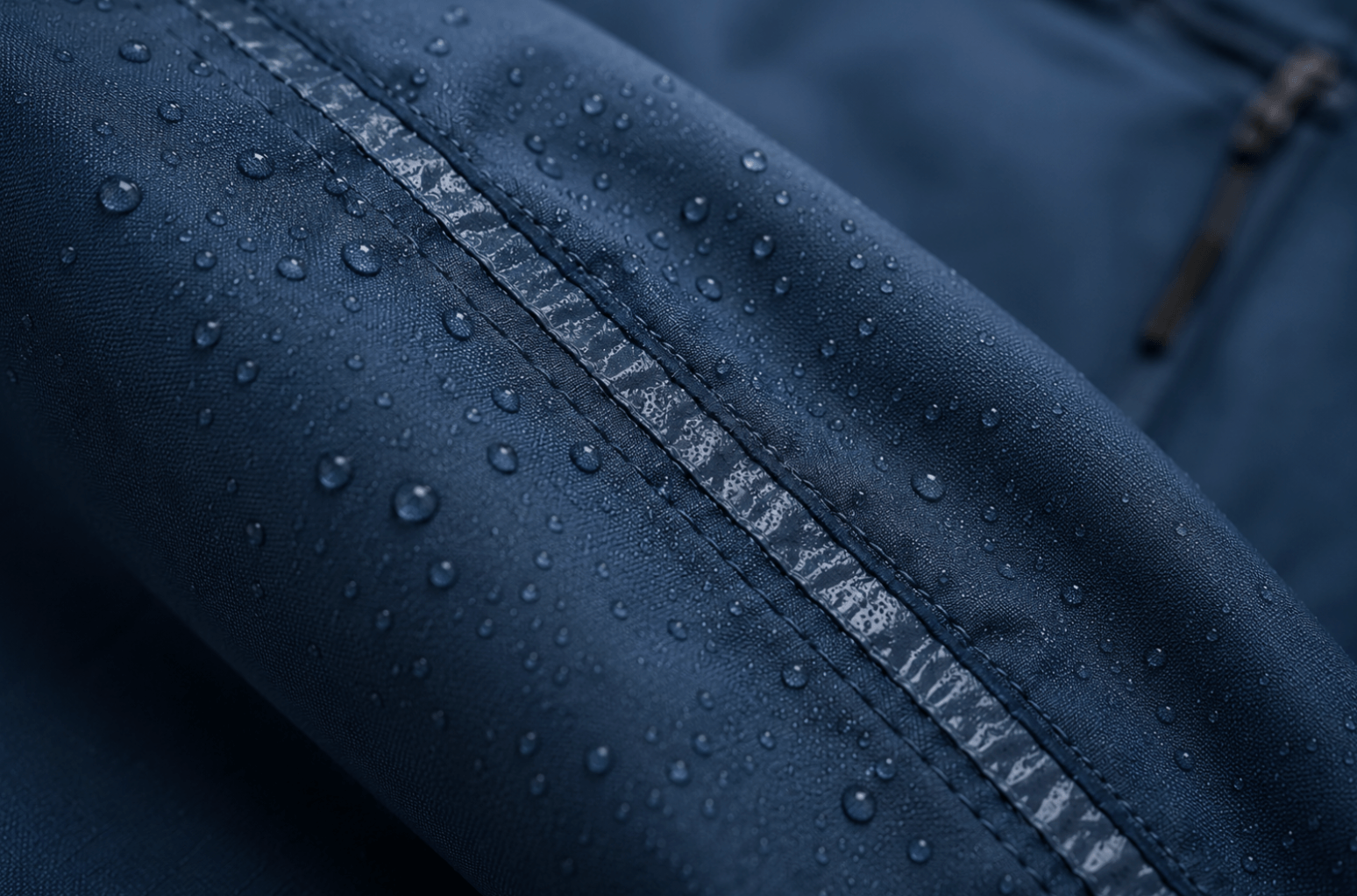
Even highly waterproof fabric can allow water through stitched seams, making seam sealing an important finishing step for some projects.
The fabric itself may resist rain, spills or damp conditions, but sewing changes the material.
Every stitch creates a row of small punctures.
In low-exposure projects, this may not cause noticeable issues. In more exposed projects, those punctures can become entry points for water.
This matters most when seams experience:
- Direct rainfall
- Pooling water
- Frequent folding
- Heavy outdoor exposure
- Repeated movement or tension
Projects such as furniture covers or outdoor storage bags usually place greater demands on seams than decorative soft furnishings.
What Happens If Waterproof Fabric Seams Are Left Unsealed?
Unsealed seams can allow water to penetrate even when the fabric itself performs well.
How much this matters depends on the project.
With decorative outdoor cushions used under shelter, small amounts of seam leakage may not be a major concern.
With rain-exposed covers, it can become much more noticeable.
Possible issues include:
- Water ingress through stitch lines
- Damp inner padding or fillings
- Reduced weather protection
- Increased seam wear over time
Even high-performing waterproof fabric can still leak through stitching if seams are exposed to sustained moisture.
That does not mean every project needs seam sealing, only that seam exposure should be considered before sewing.
How To Seal Seams On Waterproof Fabric
Sealing waterproof seams works best when the fabric is clean, prepared and tested before full use.
Use this step-by-step process.
1. Prepare the fabric
Finish all sewing first. Check seam quality and trim loose threads before sealing.
Avoid sealing over unfinished or poorly stitched seams.
2. Clean the seam area
Remove dust, lint, loose fibres or surface residue.
A clean surface helps sealing products bond more evenly.
3. Choose your sealing method
The two most common options are:
- Seam tape
- Liquid seam sealer
The best choice depends on seam shape, fabric construction and project type.
4. Apply carefully
Work slowly.
Apply evenly across the seam line without gaps, wrinkles or excessive buildup.
5. Allow proper curing or cooling time
Do not rush this stage. Sealing products often need time to settle, bond or cure properly. Always follow product guidance.
6. Test before full use
Check seam performance before exposing the project to heavy outdoor conditions.
This helps identify problems early.
Understanding Seam Tape And Seam Sealants
Seam tape and liquid seam sealers achieve similar goals but suit different projects.
| Method | Often Used For | Advantages | Considerations |
| Seam Tape | Straight seams, larger panels | Clean finish, even coverage | Requires compatibility with fabric and application method |
| Liquid Seam Sealer | Curves, corners, awkward seams | Flexible application | Can be messy if overapplied |
For many DIY projects, the best option comes down to seam shape.
Straight seams often suit tape well. Complex shapes or tight corners may be easier to seal with liquid products.
Which Waterproof Fabrics Require Seam Sealing?
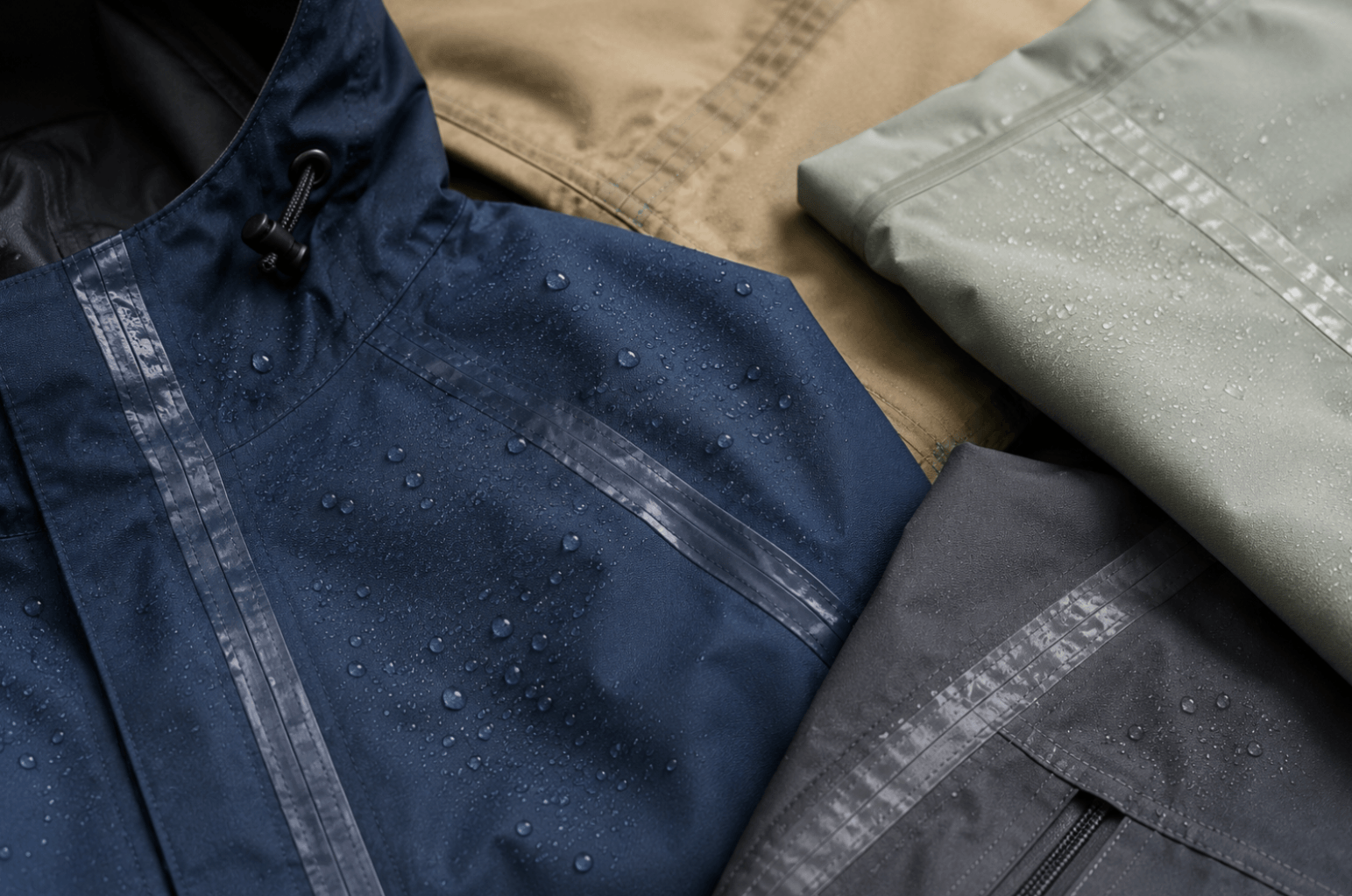
Some waterproof fabrics benefit more from seam sealing than others.
The biggest deciding factor is not just fabric type but intended use.
Projects more likely to benefit from seam sealing include:
- Outdoor furniture covers
- Rain-exposed storage bags
- Pergola panels
- Protective outdoor accessories
Projects that may not always need it include:
- Decorative outdoor cushions
- Light garden accessories
- Sheltered upholstery projects
Coated and laminated materials often make seam performance more important because stitching interrupts protective layers.
Project context always matters more than blanket rules.
Tools And Materials Needed For Sealing Waterproof Fabric Seams
Using the right tools makes seam sealing cleaner and easier.
Useful materials may include:
- Seam tape
- Liquid seam sealer
- Small brush or applicator
- Protective work surface
- Pressing cloth where required
- Scrap fabric for testing
Preparation matters.
Many sewing problems begin before sealing starts. Good seam construction, stitch quality and clean finishing all improve sealing results. Some quick tips for sewing with waterproof fabric can help reduce avoidable mistakes earlier in the process.
How To Apply Seam Tape Correctly
Seam tape works best when applied evenly across a well-prepared seam.
Start by checking both the fabric guidance and seam tape instructions.
Then:
Position accurately
Centre the tape directly over the seam line. Misalignment can leave gaps.
Apply even pressure
Uneven pressure can create weak spots. Smooth application usually produces better coverage.
Test first
Always test on scrap material before sealing the final project. This is especially important with coated or laminated fabrics.
Excessive heat or unsuitable tape may affect finishes, so caution matters.
Using Liquid Seam Sealers On Waterproof Fabrics
Liquid seam sealers offer flexibility for seams that are difficult to tape.
They are particularly useful for:
- Curved seams
- Corners
- Tight construction areas
- Small accessories
Application usually works best in thin, controlled layers.
Avoid:
- Thick buildup
- Uneven spreading
- Pooling product along edges
Over-application can create stiff or messy seams.
A controlled layer is usually easier to manage than trying to fix excess product later.
Common Mistakes That Reduce Waterproof Protection
Small mistakes can significantly reduce seam performance.
Avoid these common problems:
- Skipping seam preparation
- Applying sealant onto dirty fabric
- Rushing drying or curing
- Using incompatible products
- Failing to test finished seams
- Applying too much product
Many issues come from rushing.
Careful preparation usually produces better long-term results.
How Heat Affects Waterproof Fabric During Seam Sealing
Excessive heat can damage coatings, laminates or protective finishes.
This is one of the biggest seam sealing risks.
Some waterproof materials are sensitive to heat, especially those with coated surfaces or bonded layers.
Too much heat may cause:
- Surface distortion
- Coating damage
- Texture changes
- Reduced waterproof performance
Always follow both the fabric guidance and sealing product instructions.
Understanding waterproof fabric ratings can also help explain why seam quality matters just as much as fabric performance.
Testing Waterproof Fabric After Sealing Seams
Testing seams before full use helps reveal weak spots early.
This does not need to be complicated.
Simple checks include:
- Visual inspection
- Light water exposure
- Checking seam edges for lifting
- Looking for gaps or missed areas
Pay particular attention to:
- Corners
- Folded sections
- High-stress seams
Testing on scrap material before sealing the full project is even better.
How To Maintain Waterproof Fabric Performance Over Time
Regular maintenance helps preserve both fabric and seam performance.
Use this checklist:
- Inspect seams regularly
- Clean dirt promptly
- Store items dry
- Check for peeling or wear
- Reseal where necessary
Dirt and residue can gradually affect seam integrity.
Knowing how to wash waterproof fabric properly also helps protect coatings and seam finishes.
When Waterproof Fabric Seams Need To Be Resealed
Seams may need resealing when visible wear or reduced performance appears.
There is no universal schedule.
Instead, watch for signs such as:
- Peeling seam tape
- Cracking sealant
- Water ingress
- Visible seam wear
- Ageing materials
Small issues are easier to fix early.
Leaving damaged seams untreated can allow problems to spread.
Knowing how to repair waterproof fabric early can help preserve the wider project.
Frequently Asked Questions About Waterproof Fabric Seams
Do all waterproof fabric seams need sealing?
No. Seam sealing depends on how exposed the project will be and how much water resistance is needed.
Is seam tape better than seam sealer?
Neither is universally better. The best option depends on seam shape, fabric type and project requirements.
Can seam sealing make fabric fully waterproof?
Seam sealing can improve water resistance, but results depend on fabric, construction and application.
Can seam tape damage waterproof fabric?
It can if the tape or application method is unsuitable for the material.
Should I test seams before using the project?
Yes. Testing helps identify leaks or weak sealing before full outdoor use.
Can seams be resealed later?
Yes, in many cases seams can be resealed if wear develops.
Knowing how to seal waterproof fabric seams can make a noticeable difference to how well outdoor sewing projects perform.
Not every project needs seam sealing, but when seams will face regular moisture, taking the extra step can improve durability and reduce leaks.
The best method depends on your project, fabric and seam construction. Straight seams may suit tape, while curves or awkward corners often benefit from liquid sealers.
If you are planning a waterproof sewing project and need help choosing the right material, please contact us and the team at UK Fabrics Online will be happy to help.
Leave a Reply