What Can You Make with Leftover Upholstery Fabric?
20th November, 2026
Leftover upholstery fabric can become cushion covers, storage baskets, table accessories, pouches and other useful pieces. The right project depends on the amount available, along with its weight, flexibility, pattern and construction.
Before cutting a remnant from an upholstery fabric project, measure the usable area and examine how the material behaves. Consider its shape, thickness, backing and pattern direction. Start with the fabric you have, then choose a project suited to its practical characteristics and dimensions before making your first cut.
Check Your Leftover Fabric Before Choosing a Project
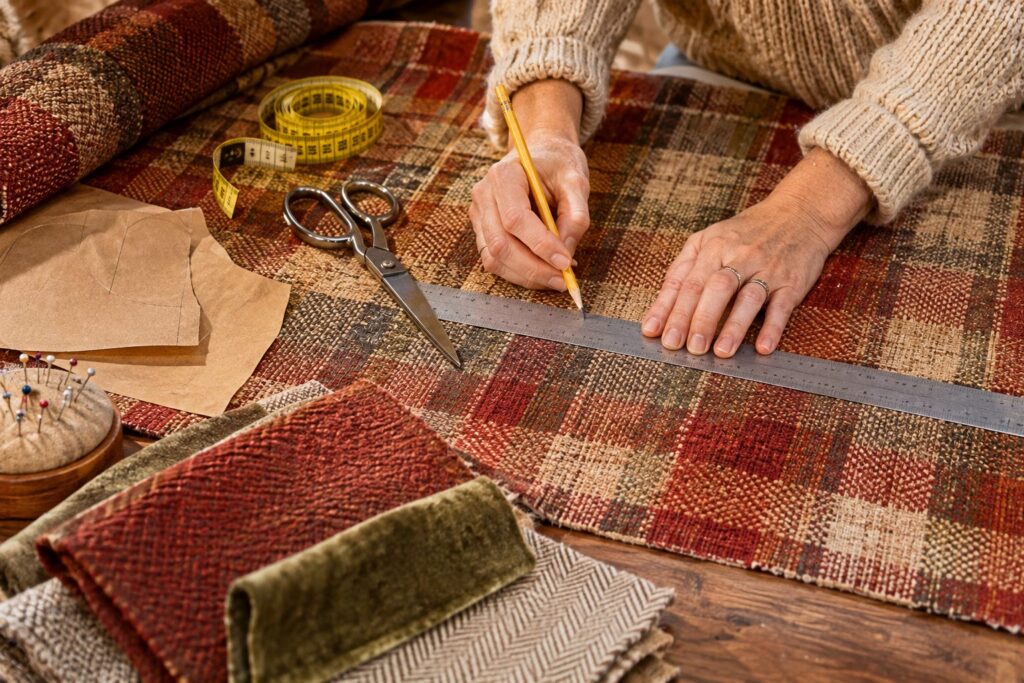
Measure the usable fabric first, then check its weight, flexibility, pattern direction and care information. These details help narrow down suitable projects before cutting.
Check for irregular edges, marks, backing, thickness, pile and directional designs. With patterned fabric, plan which motifs you want to keep visible. A long, narrow remnant may suit a runner better than a cushion requiring wider panels. Keep the largest continuous piece intact until you have chosen your project and planned each cut carefully.
Cushion Covers
A large enough upholstery offcut can work well for a coordinating cushion cover, especially when the material already appears elsewhere in the room. Measure each panel and plan pattern placement before cutting.
If fabric is limited, use the remnant for the front and a suitable contrasting material for the back. Check care and project suitability first. For future projects, compare appropriate cushion fabric and printed cushion fabric options rather than assuming all upholstery materials behave alike.
Fabric Storage Baskets
Some upholstery remnants suit storage baskets because their weight can help create a structured shape. The finished result will still depend on the fabric, pattern and construction method.
Consider seam bulk before choosing a small basket pattern. Thick material can become cumbersome where several layers meet. A design may also call for lining or interfacing to create the intended finish.
Small baskets can make practical storage for sewing notions and other lightweight household items while using relatively modest pieces of fabric.
Reusable Shopping Bags
A larger, flexible remnant may suit a reusable bag when the pattern and construction are appropriate for the material. Check the fabric, seams, handles and any reinforcement requirements before starting.
Very stiff or bulky upholstery material may be difficult to turn, fold or stitch neatly at handles and corners. Some patterns may require lining or supporting materials.
Choose an established sewing pattern suited to the intended use rather than assuming an upholstery offcut can carry a particular load.
Table Runners and Placemats
Long upholstery remnants can suit table runners, while smaller coordinated pieces may work as placemats. Plan the dimensions and pattern placement before cutting, especially when working with narrow strips or several matching offcuts.
Check the fabric’s care information before using it for dining accessories. Do not assume it is washable, stain resistant or heat resistant. For future projects, explore suitable fabric for tablecloths and review the individual product details before choosing your material.
Fabric-Covered Noticeboards
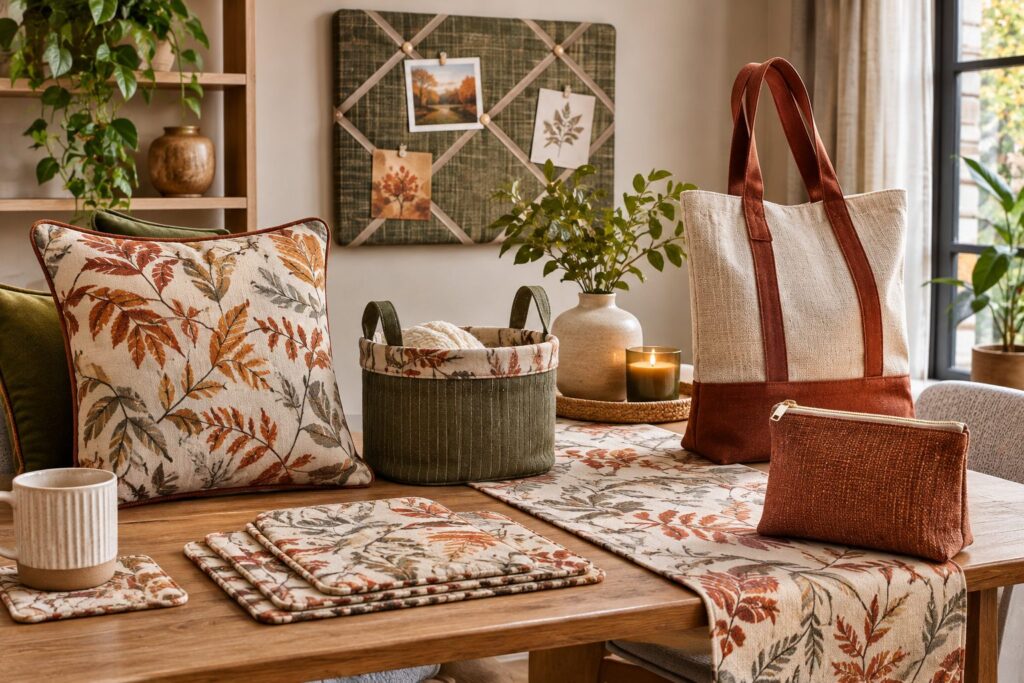
A noticeboard can showcase an attractive remnant while keeping much of the fabric flat and visible. It is particularly useful for prints or woven designs you would rather not divide into tiny pieces.
Measure the board before cutting and allow for the chosen fixing method and edge finish. Position prominent motifs deliberately, then check the fabric is sitting evenly before securing it.
This project can make good use of a striking piece which is visually appealing yet too small for another furnishing project.
Doorstops
Smaller, substantial remnants may suit a fabric doorstop when paired with an appropriate pattern and construction method. Upholstery material can also coordinate the finished piece with nearby furniture.
Consider seam thickness, floor contact and any handle included in the design. Follow suitable project guidance for construction and filling instead of improvising with materials not intended for the purpose.
Draught Excluders
A long, narrow upholstery offcut can be a practical starting shape for a draught excluder. Measure the relevant doorway first and select a pattern appropriate for the fabric and intended position.
Remember the finished item will have regular contact with the floor. Check care information rather than assuming the cover can be washed. Directional prints should also be planned before cutting, particularly when the available strip leaves little room for repositioning.
Lampshades
Only use upholstery fabric for a lampshade when the material, specialist components and construction method are confirmed as suitable for lampshade making. This project requires more consideration than choosing an attractive remnant and covering a frame.
Follow recognised lampshade-making guidance and use components intended for the purpose. Fabric should not be placed directly against a bulb or heat source.
If you cannot establish whether your particular material and proposed construction are suitable, use the remnant for another project.
Fabric-Covered Plant Pots
Upholstery remnants can form decorative outer covers for suitable plant-pot containers, provided the fabric is kept away from repeated water and damp compost. Treat this as a decorative cover rather than part of the planted container itself.
A removable sleeve can make watering and maintenance easier while protecting the fabric from unnecessary moisture. Plan the pattern around the most visible side and avoid assuming the material has any water-resistant properties unless its specifications confirm this.
Patchwork Footstools
A patchwork footstool can bring several upholstery remnants together in one larger project. Each fabric still needs to be suitable for the intended upholstery use and compatible with the chosen construction.
Lay the pieces out before cutting to compare thickness, structure, stretch, colour and pattern scale. Materials which behave very differently may create construction problems even when they look good together.
This project can work particularly well when remnants from previous furnishing projects share a colour palette or design theme.
Book and Journal Covers
Small, flat remnants can become decorative book or journal covers, especially when they contain a motif worth preserving. The project gives visually interesting fabric a purpose without reducing it to tiny decorative scraps.
Measure the book or journal carefully and consider the thickness of the fabric around folds and finished edges. Decide whether you want a removable cover before choosing the construction method.
For printed material, centre the motif before marking any cutting lines.
Small Purses and Pouches
Small upholstery offcuts may suit purses or pouches when they are flexible enough for the chosen pattern. Check seam bulk carefully around corners, zips and other closures.
A lining may be required depending on the design. Pattern placement also matters more as the available area becomes smaller, since moving a motif by a few centimetres can change the finished appearance.
Choose the pattern after handling the remnant and assessing how easily it folds and layers.
Measure your leftover fabric, assess how it behaves and choose a project suited to its size and characteristics. A narrow strip, patterned panel or collection of smaller offcuts will each suit different ideas.
Keep useful remnants with any available product and care information, then plan each cut carefully. Use suitable leftovers before buying more material. When planning your next furniture or cushion project, explore the relevant UK Fabrics Online range and check individual fabric details before placing an order.
Leave a Reply