What is the Best Way to Get Chocolate Out of Upholstery Fabric?
1st August, 2026
Chocolate stains can look alarming, especially on a favourite sofa or upholstered chair. The good news is they can usually be reduced if you respond quickly and choose a cleaning method suited to your upholstery fabric.
This guide explains how to get chocolate out of upholstery fabric safely, why different materials need different care and how to avoid common mistakes that could make the stain harder to remove. It also covers long-term upholstery care, helping you keep your furniture looking its best.
How To Get Chocolate Out Of Upholstery Fabric
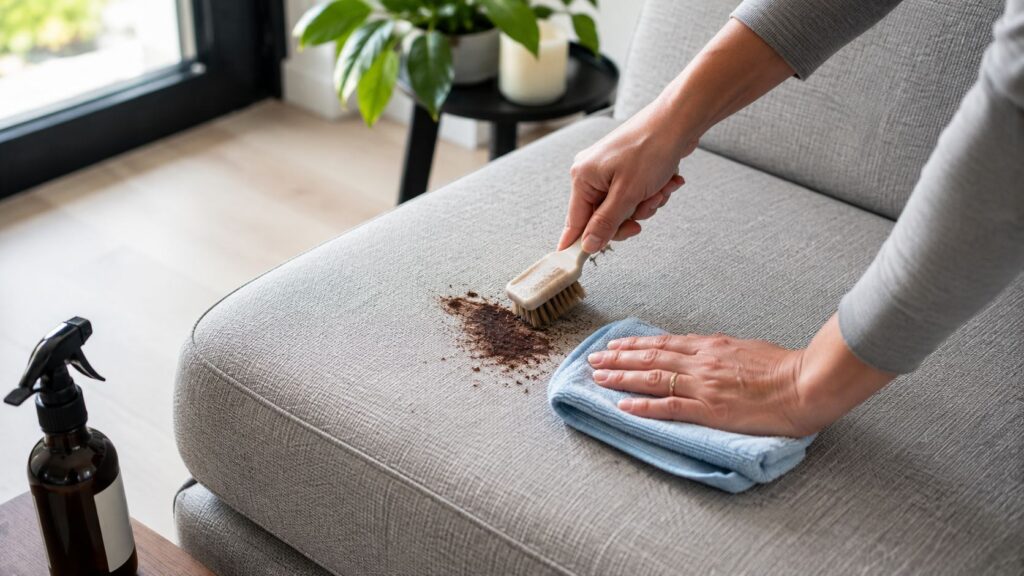
Chocolate is easiest to remove when treated promptly. Carefully lift away any excess chocolate, blot the affected area and clean using a fabric-safe method suited to your upholstery.
Quick Answer
- Remove any solid chocolate with a spoon or blunt knife.
- Avoid rubbing the stain into the fabric.
- Blot gently from the outside towards the centre.
- Test any cleaning solution on a hidden area before use.
- Repeat the process carefully until the mark begins to lift.
Working methodically reduces the chance of spreading chocolate deeper into the upholstery. Taking time to care for upholstered furniture correctly also helps preserve its appearance for longer.
Why Acting Quickly Makes Stain Removal Easier
Fresh chocolate sits on the fabric surface before its oils and pigments settle into the upholstery fibres. Chocolate contains cocoa, fats and sugar, which become harder to remove as they absorb into the material.
Heat can also soften the fats, increasing the chance of spreading the stain during cleaning. If chocolate is dropped during a family film night, removing it promptly gives you the best opportunity to lift the residue before it becomes more difficult to treat.
Removing Excess Chocolate Without Spreading The Stain
Remove as much solid chocolate as possible before introducing any moisture. Lift larger pieces carefully using a spoon or blunt knife, taking care not to press the chocolate deeper into the upholstery.
Check for loose flakes and remove them with a vacuum cleaner using an upholstery attachment if suitable. Preparing the stain in this way reduces the amount of residue left behind, making the next stage of cleaning more effective while helping to protect the fabric’s appearance.
How To Treat Fresh Chocolate Stains
Blot gently with a suitable cleaning solution after removing the excess chocolate. Dampen a clean cloth with cold water or a fabric-safe cleaner, then work from the outside of the stain towards the centre. Avoid rubbing, as this can push chocolate deeper into the upholstery and affect the fabric’s appearance. Always test any cleaning product on a hidden area first.
Requires verification: Follow the manufacturer’s care guidance before using any cleaning solution.
How To Remove Dried Chocolate From Upholstery Fabric
Allow hardened chocolate to be lifted away before treating the remaining stain. Gently remove as much dried chocolate as possible using a spoon or blunt knife before cleaning the area.
This helps prevent the residue from spreading once moisture is applied. If you’re considering new upholstery fabric, think about maintenance as well as appearance. Different fabrics have different care requirements, so always check the manufacturer’s guidance before cleaning.
Choosing Safe Cleaning Products For Upholstery Fabric

The safest cleaner depends on your upholstery fabric and any care guidance provided by the manufacturer.
There is no universal cleaning product suitable for every upholstered material. Fabric construction, protective finishes and recommended maintenance can all influence which cleaning method is appropriate.
Before using any cleaning solution:
- Test it on an inconspicuous area.
- Choose gentle cleaning methods where suitable.
- Avoid bleach unless specifically recommended.
- Avoid harsh solvents unless manufacturer guidance confirms compatibility.
Requires verification: Always check the care instructions supplied with your upholstery before using any cleaning product.
Selecting the safest approach protects both the appearance and lifespan of your furniture.
Cleaning Different Types Of Upholstery Fabric
Not every upholstery fabric responds to the same cleaning method. Velvet, woven fabrics, chenille, linen and textured materials can all react differently to moisture and stain removal techniques. Rather than treating every fabric the same, check the care guidance provided with your furniture before cleaning. If you’d like more advice on maintaining upholstered furniture, read our guide on how to clean upholstery fabric for practical care tips.
Common Mistakes To Avoid When Removing Chocolate Stains
Most upholstery damage results from aggressive cleaning rather than the stain itself.
Avoid these common mistakes:
- Rubbing instead of blotting.
- Saturating the fabric with excessive water.
- Using hot water without checking suitability.
- Skipping the patch test.
- Applying harsh cleaning chemicals.
- Continuing to scrub when the stain is not improving.
A patient approach gives upholstery the best opportunity to recover without unnecessary wear.
How To Keep Upholstery Fabric Looking Clean After Stain Removal
Regular maintenance helps preserve upholstery after stain removal.
Routine care reduces the build-up of dirt and allows you to deal with future spills before they become established.
Helpful habits include:
- Vacuum upholstered furniture regularly.
- Rotate loose cushions where possible.
- Clean spills promptly.
- Follow the care guidance supplied with the furniture.
- Inspect frequently used seating areas for early signs of wear.
Consistent maintenance supports the appearance of your upholstery and can make future cleaning less demanding.
Frequently Asked Questions About Removing Chocolate From Upholstery Fabric
Does chocolate permanently stain upholstery?
Not always. Fresh stains are generally easier to remove, although results depend on the fabric and how quickly you act.
Can hot water make chocolate stains worse?
It can. Heat may soften the fats in chocolate and spread the stain. Check your upholstery care guidance first.
Can I use washing-up liquid?
Possibly. Suitability depends on the fabric. Requires verification: Always patch test first and follow any manufacturer instructions.
When should I call a professional cleaner?
Seek professional help for valuable furniture, large stains or if you’re unsure how to clean the upholstery safely.
Can old chocolate stains still be removed?
Sometimes. Older stains are usually harder to treat because the oils and pigments have had longer to settle into the fabric.
Removing chocolate from upholstery fabric begins with quick action, careful blotting and choosing a cleaning method appropriate for your furniture. Understanding how different upholstery fabrics respond to cleaning helps reduce the risk of accidental damage and supports better long-term care.
If you’re planning a new upholstery project or refreshing existing furniture, explore our upholstery fabric collection or contact us for guidance on choosing the right fabric for your needs.
Leave a Reply