What Thread Should You Use for Waterproof Fabric?
15th July, 2026
Choosing the right thread can make a bigger difference than many people expect when sewing waterproof fabric. Even if you have selected the right material, poor thread choice can lead to weak seams, premature wear or stitching that struggles under tension.
Whether you are sewing outdoor cushions, garden furniture covers, tote bags or upholstery projects, thread choice affects both durability and the overall finish. At UK Fabrics Online, we often see customers focus heavily on fabric selection while overlooking the sewing components that help a project last.
This guide explains the best thread for waterproof fabric, when polyester or nylon may be suitable, and how to create stronger seams for reliable outdoor use.
Why Thread Choice Matters For Waterproof Fabric
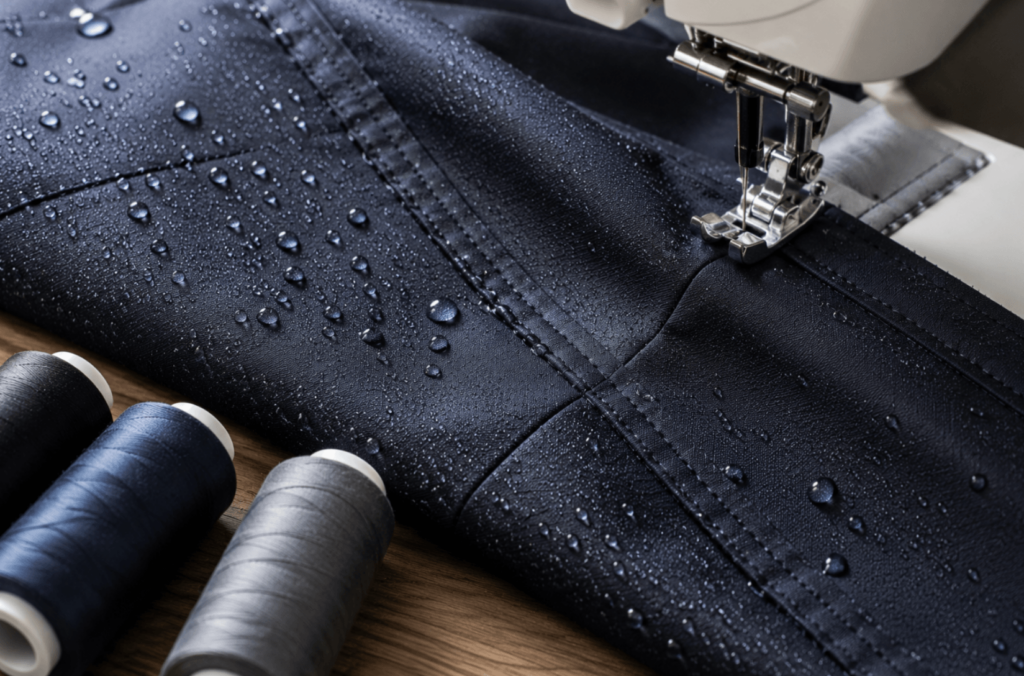
The right thread helps waterproof fabric projects stay strong and reliable, while the wrong choice can lead to weakened seams or premature wear.
Waterproof fabrics often behave differently from standard cotton or dressmaking fabrics. They may be thicker, coated, more structured or less forgiving under tension.
That matters because seams often experience the most stress.
Repeated movement, pulling, folding and weight-bearing pressure can all affect stitch performance. Think about the strain placed on:
- Outdoor cushion corners
- Zipped seat covers
- Tote bag handles
- Drawstring closures
- Furniture cover seams
A thread that works well for lightweight indoor sewing may struggle when used on heavier waterproof materials.
What Thread Is Best For Waterproof Fabric?
Polyester thread is commonly chosen for waterproof sewing projects, but the best option depends on what you are making.
There is no universal thread that suits every waterproof project. The right choice depends on fabric weight, seam stress and how the finished item will be used.
Common options include:
Polyester thread
For many projects, polyester thread is the safest starting point.
It is widely used because it offers a good balance of flexibility, durability and consistent stitching. It works particularly well for general sewing projects using waterproof fabric, including cushions, bags and lighter covers.
Bonded polyester thread
Bonded polyester is often considered for heavier-duty projects.
Its bonded finish can help reduce fraying and improve smoother feeding through the machine, especially on thicker materials.
Bonded nylon thread
Nylon thread is often chosen where flexibility and abrasion resistance matter.
This can make it useful for projects involving repeated movement, though suitability depends on the fabric and intended use.
Specialist outdoor thread
Some sewing projects benefit from threads specifically designed for outdoor applications.
These may be worth considering for demanding or frequently used outdoor items.
Understanding Polyester, Nylon And Outdoor Sewing Threads
Polyester, nylon and specialist outdoor threads each offer different advantages depending on the project.
| Thread Type | Often Used For | Key Considerations |
| Polyester | Cushions, bags, general sewing | Versatile and beginner-friendly |
| Bonded Polyester | Covers, upholstery, heavier fabrics | Useful for thicker materials |
| Bonded Nylon | High-stress seams | Often chosen for flexible heavy-duty use |
| Outdoor Specialist Thread | Outdoor accessories, demanding projects | Project-specific suitability matters |
For most home sewing projects, standard polyester thread is often enough, however, for larger upholstery or protective covers, heavier thread may be worth testing.
How UV Exposure Can Affect Thread Performance
Prolonged outdoor exposure can affect stitching over time.
Sunlight, moisture and repeated temperature changes place stress not only on fabric but also on seams.
This matters for projects such as:
- Garden bench cushions
- Outdoor furniture covers
- Pergola accessories
- Dog coats
- Waterproof storage bags
Even strong stitching can gradually weaken if a project is left outdoors year-round without maintenance.
That is one reason thread choice should always be considered alongside fabric choice.
Why Waterproof Projects Require Stronger Stitching
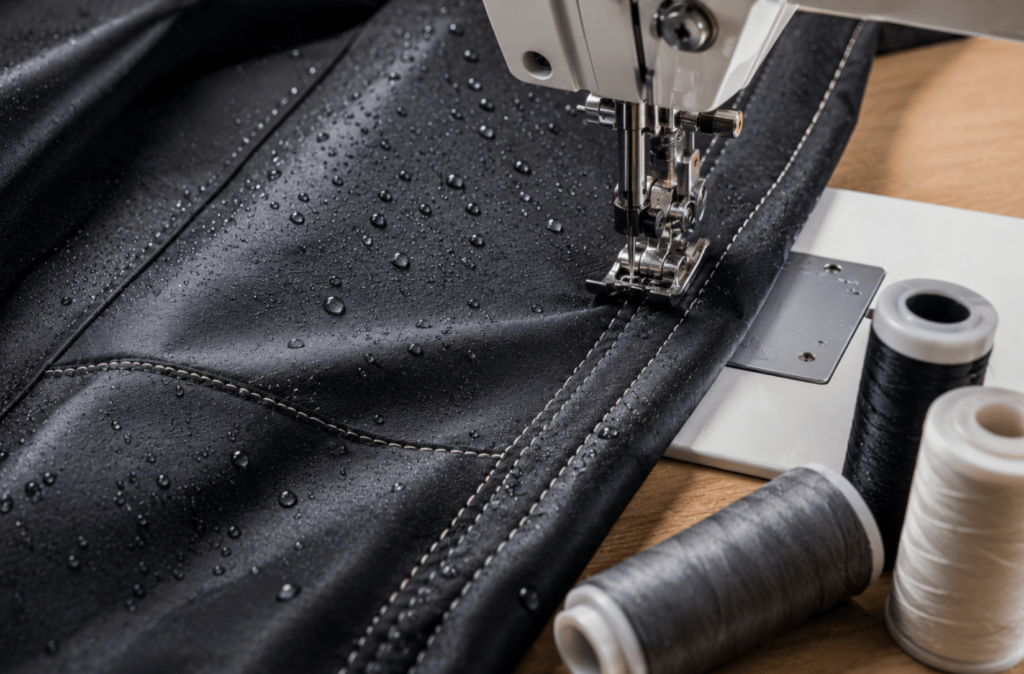
Waterproof sewing projects often place more stress on seams than standard sewing projects.
Outdoor items regularly experience pulling, stretching and weight-bearing movement. Heavier materials can also create additional resistance while sewing.
This means stitching quality matters just as much as thread.
Stronger waterproof projects usually benefit from:
- Consistent stitch length
- Even tension
- Appropriate seam allowance
- Reduced seam bulk
- Clean needle penetration
Many common sewing mistakes happen before stitching even starts. Good machine setup matters just as much as technique, especially when sewing heavier coated materials.
Previously, we’ve discussed all of the practical adjustments and more tips for sewing with waterproof fabric to help improve seam consistency.
Choosing The Right Thread Weight For Waterproof Fabrics
Thread weight should feel balanced with the fabric.
Thread that is too fine may look neat, but struggle under stress. Thread that is too heavy may create bulky seams or tension problems.
As a general rule:
Lighter threads suit:
- Lightweight bags
- Small accessories
- Decorative projects
- Thin-coated fabrics
Medium to heavier threads suit:
- Outdoor cushions
- Furniture covers
- Upholstery
- Protective covers
Always test on scrap fabric before committing to a full project as a quick test reveals whether the thread feels proportionate to the material.
How Thread Impacts Seam Strength And Water Resistance
Thread helps seam durability, but thread alone does not make a seam waterproof.
This is one of the biggest misunderstandings in waterproof sewing.
Even if the fabric itself is waterproof, stitching creates needle holes; and it goes without saying that those holes can allow water through.
That means waterproof performance depends on more than just thread choice.
Consider the following as well:
- Stitch spacing
- Needle size
- Seam construction
- Fabric coating
- Seam sealing
For some outdoor projects, seam sealing may be necessary if water ingress is a concern.
This becomes particularly relevant for covers, rain gear and heavily exposed outdoor items.
Can Cotton Thread Be Used With Waterproof Fabric?
Cotton thread can sometimes be used, but it is not always the most practical choice for outdoor projects.
Cotton thread may still work for certain decorative or low-stress sewing projects.
However, waterproof sewing often demands thread that handles movement, moisture exposure and repeated use well.
Cotton may be less suitable for:
- Outdoor upholstery
- Weather-exposed covers
- High-stress seams
- Frequently used accessories
Rather than ruling it out completely, match the thread to the project.
Best Thread Options For Outdoor Cushions, Covers And Upholstery
Different waterproof projects benefit from different thread characteristics.
| Project | Thread Characteristics To Prioritise |
| Garden cushions | Flexible, smooth stitching, medium strength |
| Furniture covers | Strong seams, reliable tension |
| Tote bags | Durability under repeated strain |
| Upholstery | Seam strength, clean finish |
| Outdoor accessories | Match thread to fabric weight |
At UK Fabrics Online, customers making outdoor cushions often prioritise comfort and appearance, while upholstery businesses tend to focus more heavily on seam strength and wear.
How Needle Choice Affects Waterproof Fabric Sewing
The right needle helps reduce fabric damage and improve stitch quality.
Thread and needle should always be considered together.
A blunt or unsuitable needle can:
- Skip stitches
- Pull threads
- Distort coated fabric
- Create larger needle holes
- Damage seam appearance
Needle size should reflect fabric thickness.
Sharper needles often help achieve cleaner penetration through structured waterproof materials.
Choosing the right waterproof fabric needle can dramatically improve sewing results, especially when working with thicker coated materials.
Preventing Seam Leaks And Stitch Damage
Reducing unnecessary needle holes helps protect seam performance.
Every stitch creates an opening.
Too many holes close together can weaken seam integrity or increase the chance of water ingress.
To reduce problems:
- Avoid excessively short stitch lengths
- Use clean, sharp needles
- Avoid unpicking repeatedly
- Test seam settings on scraps
- Consider seam sealing where appropriate
Testing first is one of the simplest ways to avoid frustration.
Common Mistakes When Sewing Waterproof Fabrics
Small mistakes can quickly affect stitch quality.
Avoid these common problems:
- Using unsuitable thread
- Sewing with blunt needles
- Using overly short stitches
- Pulling fabric through the machine
- Skipping test stitches
- Using excessive pin holes
Many beginners also underestimate setup. Sewing waterproof fabric for the first time often becomes easier once stitch length, needle choice and feeding are adjusted properly.
Tips For Extending The Life Of Waterproof Fabric Projects
Good maintenance helps waterproof projects last longer.
Use this checklist after completing your project:
- Store items dry where possible
- Clean dirt and spills promptly
- Inspect seams regularly
- Repair loose stitching early
- Avoid prolonged damp storage
Small seam issues are easier to fix early.
Knowing how to repair waterproof fabric before damage spreads can often save an otherwise good project.
Frequently Asked Questions About Waterproof Fabric And Thread
Is polyester thread best for waterproof fabric?
Polyester thread is commonly chosen because it suits many waterproof sewing projects, though it is not the best choice for every application.
Is nylon thread stronger than polyester?
Suitability depends on the project. Both may work well depending on seam stress and intended use.
Does thread make seams waterproof?
No. Thread supports seam strength, but stitching creates needle holes that may still allow water through.
Do waterproof seams need sealing?
Some projects benefit from seam sealing, especially if water ingress matters.
Can I use normal sewing thread?
For lightweight projects, sometimes yes. Heavier waterproof fabrics may need more robust thread.
Should I test stitches first?
Yes. Testing on offcuts helps identify tension, stitch length and needle issues before starting.
The best thread for waterproof fabric depends less on finding one perfect option and more on matching thread to the project.
For many DIY sewing projects, polyester thread offers a reliable starting point. Heavier covers, upholstery and high-stress seams may benefit from more specialised options.
Strong seams come from the full setup, not thread alone. Fabric weight, needle choice, stitch length and seam construction all play a part.
If you are choosing materials for cushions, covers, bags or upholstery, browsing waterproof fabrics before starting can help you plan more effectively. If you are unsure which fabric is most suitable for your next project, please contact us, and the UK Fabrics Online team will be happy to help.
Leave a Reply