Can Waterproof Fabric Be Ironed?
1st June, 2026
Creases are a common frustration when working with waterproof fabrics. Whether you’ve just unpacked fabric for a sewing project, stored outdoor cushions over winter or finished making a garden furniture cover, it’s natural to wonder whether ironing is a safe solution.
The short answer is that some waterproof fabrics can be ironed carefully, while others can be damaged by heat. The safest approach depends on how the fabric has been constructed and whether it uses coatings, laminates or waterproof membranes.
Understanding the difference can help you remove wrinkles without affecting the performance of the material.
What Is Waterproof Fabric?
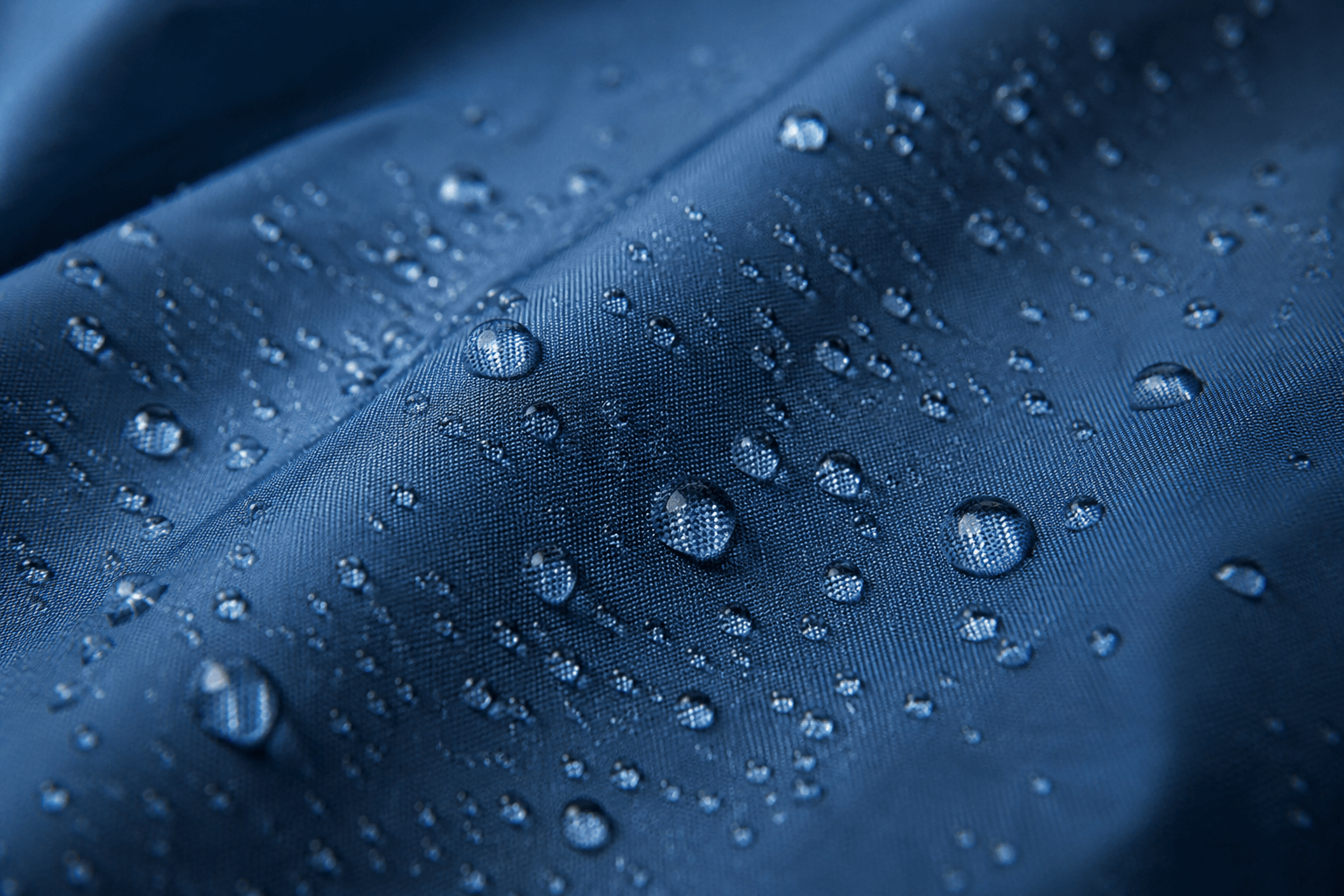
Waterproof fabric is designed to prevent water from passing through the material, often using specialised coatings, laminates or membranes.
These fabrics are commonly used for outdoor cushions, garden furniture covers, waterproof bags, pet accessories and practical sewing projects. While many waterproof fabrics look similar to standard textiles, the features that keep water out can react differently when exposed to heat.
Understanding what is waterproof fabric can make it much easier to judge how a material is likely to behave when ironing, steaming or storing.
For example, a waterproof outdoor cushion fabric may respond differently to heat than a waterproof fabric designed for clothing or lightweight accessories.
Can You Iron Waterproof Fabric?
Some waterproof fabrics can be ironed carefully on low heat, but others may be damaged by direct heat exposure.
There is no single answer that applies to every material. The fabric composition, waterproof treatment and construction method all play a role in determining whether ironing is suitable.
This is particularly important when working with waterproof fabric purchased by the metre, where different product ranges may have very different characteristics despite looking similar at first glance.
If care instructions are available, they should always be your starting point. If not, it is usually safest to proceed cautiously and test a hidden section first.
Why Heat Can Damage Waterproof Materials
Heat itself is not always the problem. The challenge is how waterproof materials are constructed.
Coating Distortion
Many waterproof fabrics rely on a surface coating to help repel water. Excessive heat may soften, distort or alter that coating, potentially affecting both appearance and performance.
Adhesive Breakdown
Some waterproof materials use adhesives to bond layers together. Over time, excessive heat can weaken these bonds, particularly if the fabric is repeatedly exposed to high temperatures.
Surface Melting Risks
Many waterproof fabrics contain synthetic fibres or treatments that may react poorly to direct heat. In some cases, this can leave marks, create shine or permanently alter the surface.
Understanding Waterproof Coatings and Membranes
Waterproof materials are not all made in the same way. This is one reason ironing advice can vary so much from one fabric to another.
Coated Waterproof Fabrics
Coated fabrics use a waterproof treatment applied to the surface or reverse side of the material. These are often used for outdoor furnishings, garden projects and practical sewing applications.
Membrane-Based Waterproof Fabrics
Some materials contain a waterproof membrane layer that helps block water penetration. These constructions can require additional care because heat may affect how the layers work together.
Laminated Constructions
Laminated fabrics combine multiple layers into a single material. Depending on the products used during manufacturing, ironing may not always be recommended.
Understanding the differences covered in The Complete Guide to Waterproof Fabric Types can help explain why two waterproof fabrics may respond very differently to the same ironing method.
Which Waterproof Fabrics Are Safe To Iron?
Fabrics That May Tolerate Careful Ironing
Some waterproof fabrics may tolerate careful ironing when low heat is used alongside a protective barrier.
Where manufacturers specifically permit ironing, following their guidance is usually the safest approach.
Fabrics That Often Require Extra Caution
Materials that use laminated layers, delicate coatings or specialist waterproof treatments often require greater care.
If the fabric’s construction is unknown, alternative crease-removal methods may be the safer option.
Why Manufacturer Guidance Matters
Two fabrics can look almost identical while behaving completely differently under heat. Following available care instructions helps reduce the risk of damaging a project you’ve spent time and money creating.
How To Iron Waterproof Fabric Safely
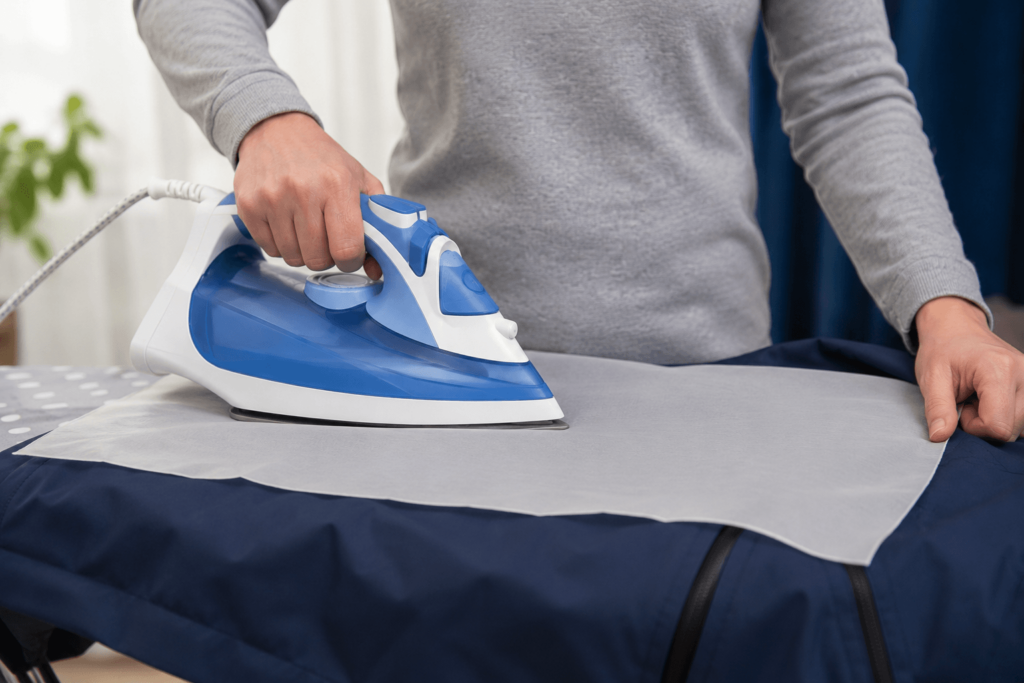
1. Test A Hidden Area First
Always begin with a small, concealed section. This allows you to check for any visible reaction before working on a larger area.
2. Use The Lowest Suitable Setting
Starting with low heat reduces the chance of damaging coatings, membranes or bonded layers.
3. Avoid Direct Contact
Place a clean pressing cloth between the iron and the waterproof fabric. This helps create a protective barrier against direct heat.
4. Keep The Iron Moving
Avoid leaving the iron in one place. Constant movement helps prevent concentrated heat from affecting the material.
For outdoor projects such as garden seating, furniture covers and cushion covers, choosing the right material from the beginning is often just as important as caring for it correctly afterwards.
What Temperature Settings Should Be Used?
Low heat is usually the safest starting point for waterproof fabrics.
Why Low Heat Is Usually Recommended
Many waterproof treatments are designed to withstand outdoor conditions, not prolonged direct heat from an iron. Lower settings can reduce the risk of affecting these treatments.
Why High Heat Can Cause Permanent Damage
High temperatures may alter coatings, weaken bonded layers or create visible surface damage that cannot be reversed.
Because waterproof fabrics vary significantly between manufacturers and product types, it is best to avoid relying on generic temperature recommendations.
Using A Protective Cloth When Ironing Waterproof Fabric
A pressing cloth can provide an extra layer of protection between the iron and the fabric.
Suitable Protective Materials
A clean cotton cloth is often used because it helps distribute heat more evenly while reducing direct contact.
Common Mistakes When Using Press Cloths
Applying excessive pressure, using dirty materials or assuming the cloth eliminates all risk can still lead to problems.
A pressing cloth should be viewed as an additional safeguard rather than a guarantee.
Common Mistakes That Damage Waterproof Clothing
Some of the most common mistakes include:
- Using excessive heat
- Leaving the iron stationary
- Ignoring care instructions
- Applying too much steam
- Ironing repeatedly in the same area
- Skipping a test patch
- Assuming all waterproof fabrics behave the same way
Many cases of damage occur because users focus on removing wrinkles quickly rather than preserving the fabric’s waterproof properties.
Can Steam Irons Affect Waterproof Fabrics?
Steam can sometimes help with crease removal, but it is not suitable for every waterproof material.
When Steam May Help
Light steam may help relax wrinkles in certain fabrics where the manufacturer permits its use.
When Steam Can Create Problems
Steam combines heat and moisture, both of which may affect some coatings, laminates and bonded constructions.
Why Fabric Construction Matters
A coated outdoor fabric, a membrane-based fabric and a laminated fabric may all react differently to steam exposure. This is why understanding the material itself is often more important than following general ironing advice.
How To Remove Creases Without Damaging Waterproof Material
Ironing is not always necessary.
Hanging Methods
- Hang the fabric in a warm room
- Allow gravity to help reduce creasing
- Avoid tightly folding the material
Natural Relaxation Techniques
- Lay the fabric flat after unpacking
- Allow time for folds to relax naturally
- Store projects properly between uses
Low-Heat Alternatives
- Use gentle indirect warmth where appropriate
- Follow manufacturer recommendations
- Consider whether creases will disappear during normal use
Many people working on garden projects find that selecting the right material from the outset reduces long-term maintenance concerns, which is one reason considering what fabric you should use for outdoor cushions remains such an important question before starting a project.
When Waterproof Fabric Should Not Be Ironed
In some situations, avoiding ironing altogether is the safest choice.
Damaged Coatings
If a coating already shows signs of wear or deterioration, additional heat may make the problem worse.
Unknown Fabric Types
Where construction details are unavailable, caution is usually advisable.
Delaminating Materials
If layers appear to be separating, ironing may accelerate further damage.
How To Maintain Waterproof Clothing Properly
Good maintenance habits can help extend the life of waterproof materials and reduce the need for corrective care later.
Cleaning
Dirt, oils and environmental debris can affect performance over time. Following proper cleaning methods is often more important than occasional wrinkle removal.
Many of the same principles apply when considering how to wash waterproof fabric properly, particularly where coatings and specialist treatments are involved.
Drying
Allow fabrics to dry fully before folding or storing.
Storage
Store materials in a clean, dry location away from excessive heat and prolonged moisture.
Waterproof Treatment Maintenance
Some waterproof materials may benefit from occasional maintenance, depending on their construction and intended use.
Frequently Asked Questions About Ironing Waterproof Fabric
Can waterproof jackets be ironed?
Some can, while others should not. Always follow the care guidance provided for the specific product.
Will ironing remove waterproof coating?
Excessive heat may affect certain coatings, which is why caution is important.
Can steam damage waterproof fabric?
Depending on the construction, steam may affect some waterproof materials.
What happens if waterproof fabric melts?
Heat damage can lead to marks, distortion or permanent changes to the surface.
Can wrinkles disappear naturally?
Yes. Minor creases often relax naturally once the fabric is unfolded and allowed to settle.
Should waterproof fabric always be ironed inside out?
Some manufacturers recommend this, but guidance varies depending on the material.
Waterproof fabric can sometimes be ironed safely, but the outcome depends on the fabric’s construction, coating and care requirements.
When in doubt, start with the gentlest option available. Testing a hidden area, using low heat and avoiding direct contact can help reduce the risk of damage. In many situations, allowing the fabric to relax naturally may be a safer alternative than ironing.
If you’re choosing materials for outdoor cushions, furniture covers, bags or sewing projects and need advice on suitability, contact us at UK Fabrics Online and we’ll help point you towards the most appropriate fabric for your intended use.
Leave a Reply